ShopMate — woodshop air quality monitoring system

ShopMate

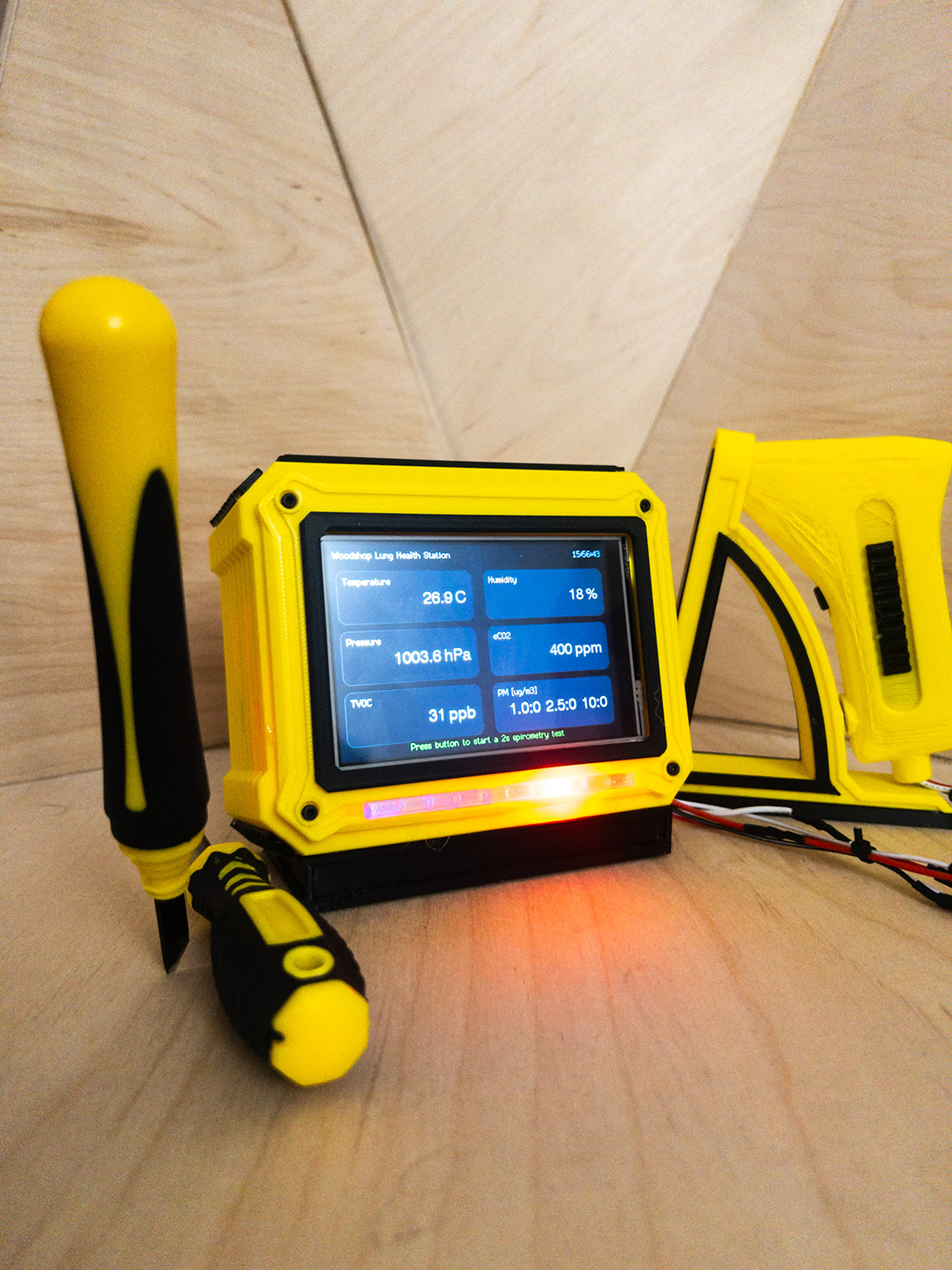
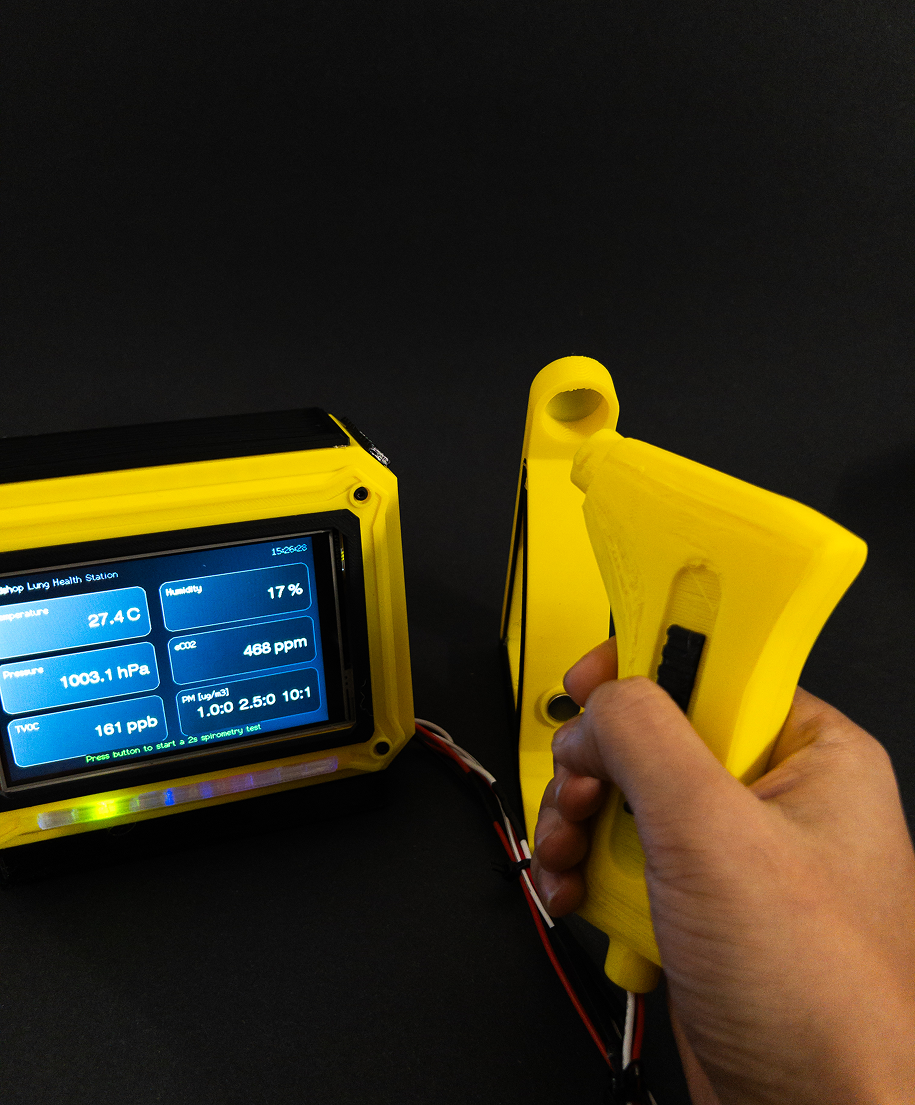
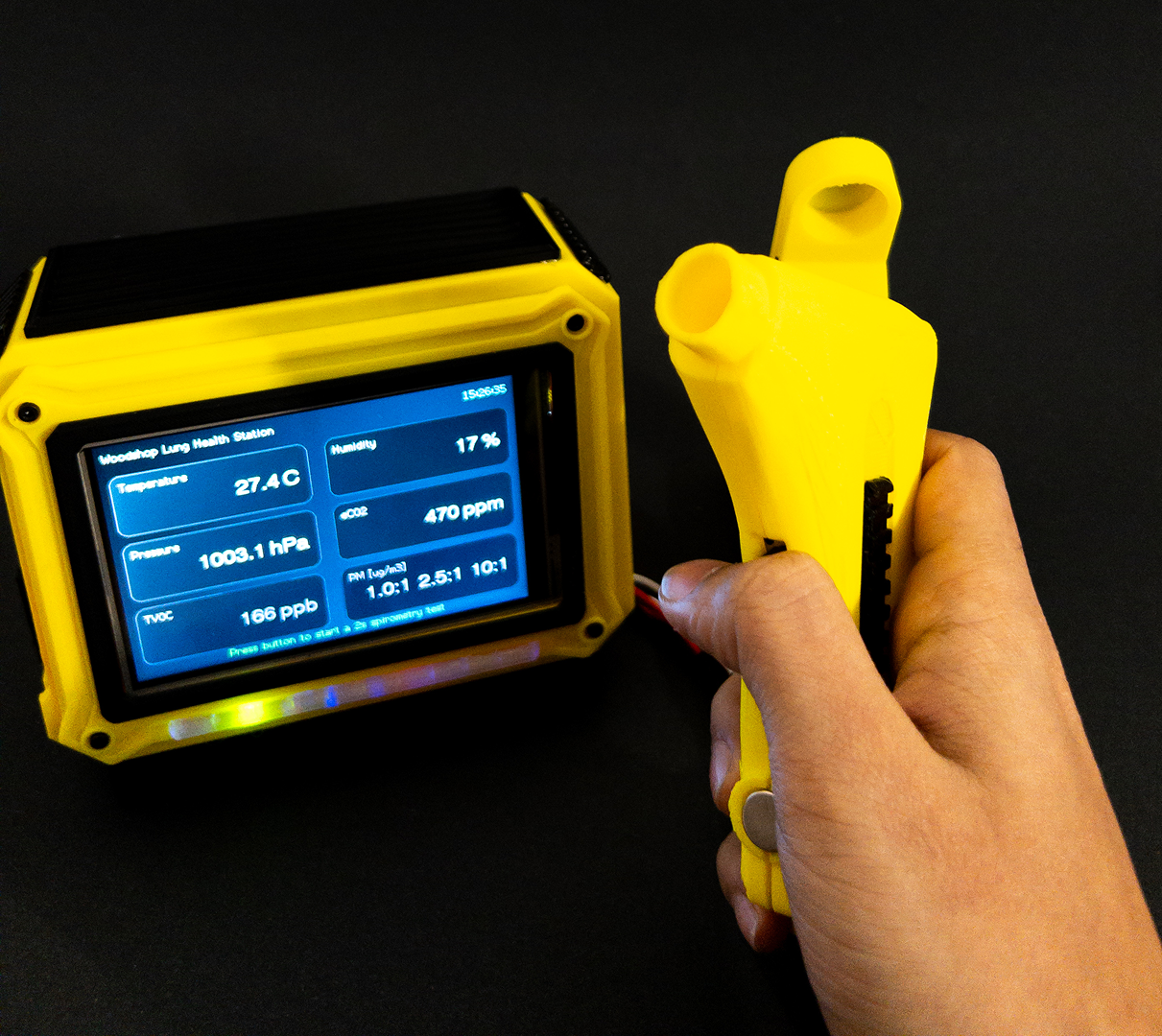
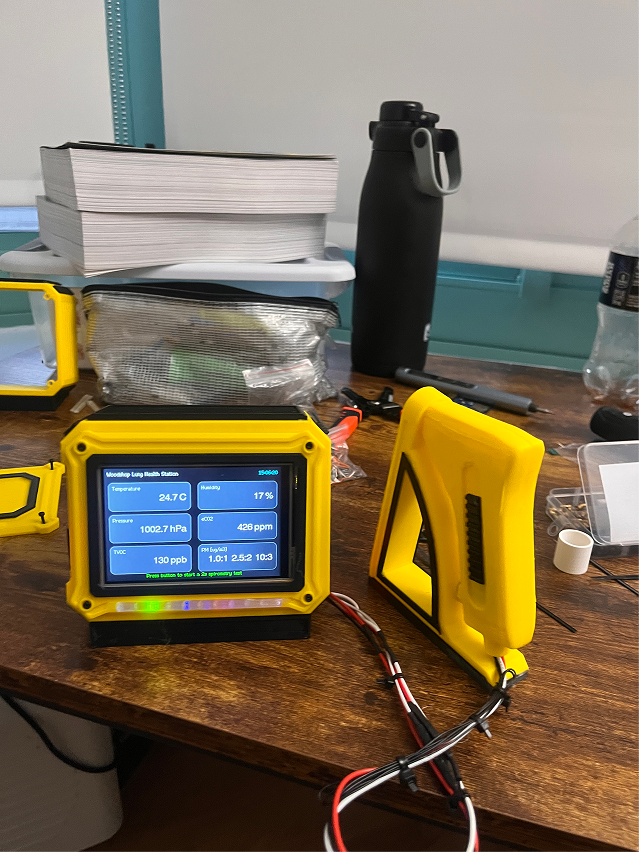
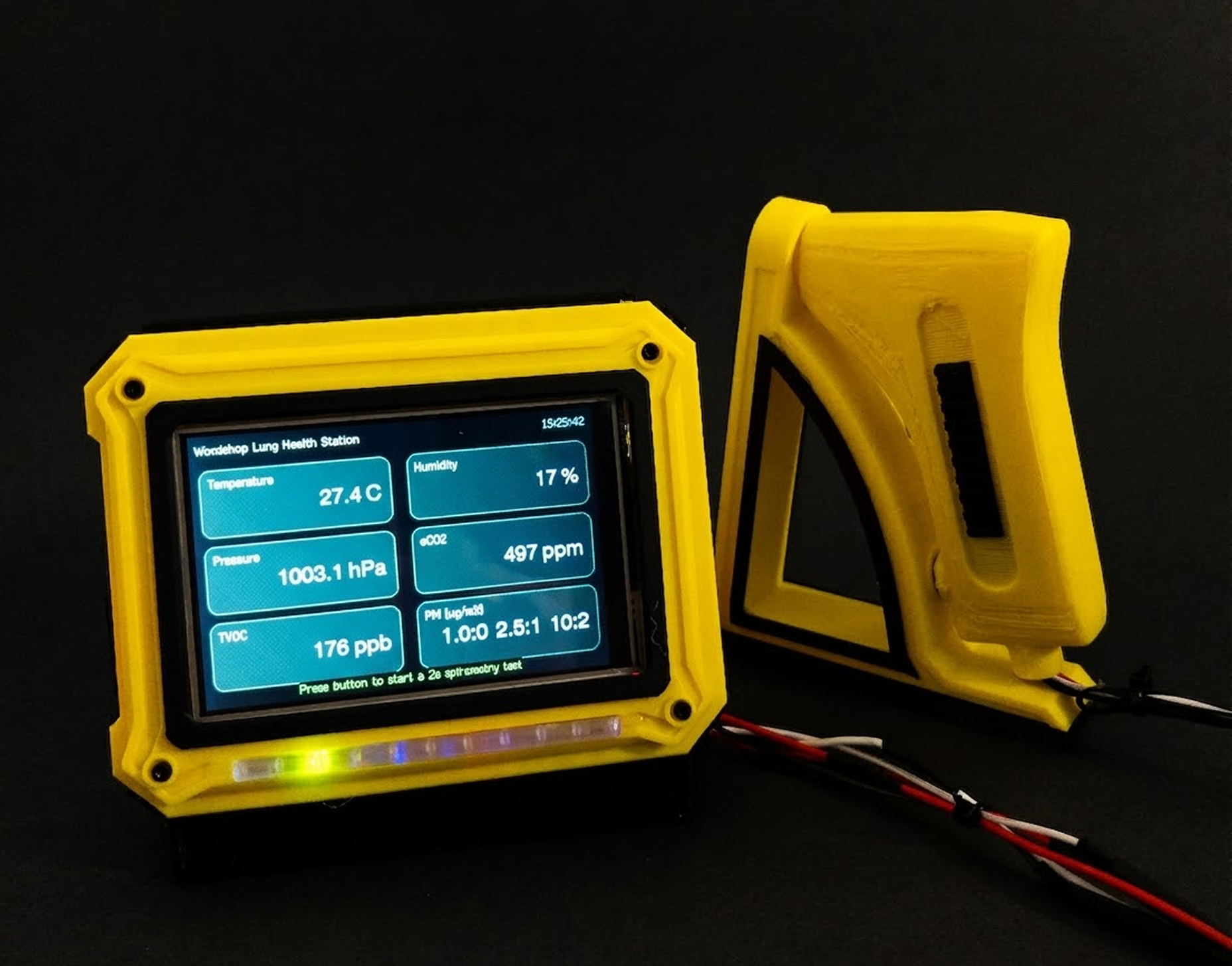
A real-time air quality and respiratory monitoring system for woodshop environments.

Hardware Design Embedded Systems Human Factors Physical Product Ronish Sharma
Three main problems
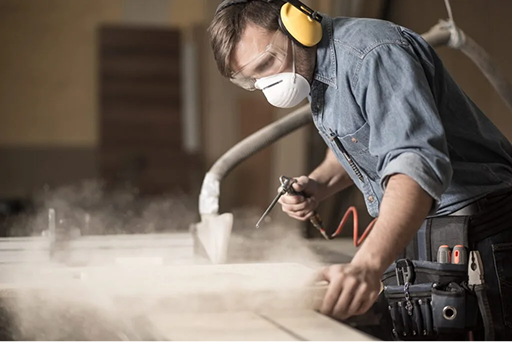
Wood dust hazard
Hazard 01

Wood Dust

Exposure often causes coughing, wheezing, nasal congestion, and eye/throat irritation. 6–18% of workers exposed to wood dust develop occupational asthma.
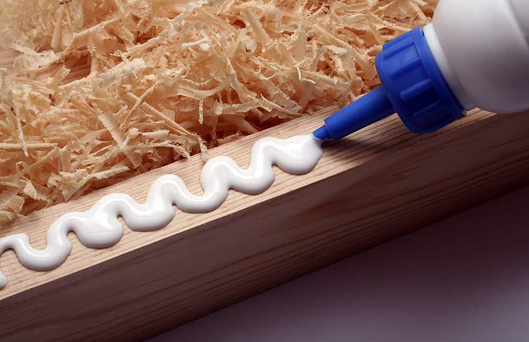
Glue fumes hazard
Hazard 02

Glue Fumes

Exposure to VOCs can cause headaches, dizziness, nausea, and mucosal irritation (eyes, nose, throat). Increases risks of liver and kidney toxicity.

Air particulates hazard
Hazard 03

Air Particulates

Associated with chronic cough, heavy mucus production, and airway obstruction. Can cause allergic or irritant dermatitis and asthma.

Two centuries of respiratory risk

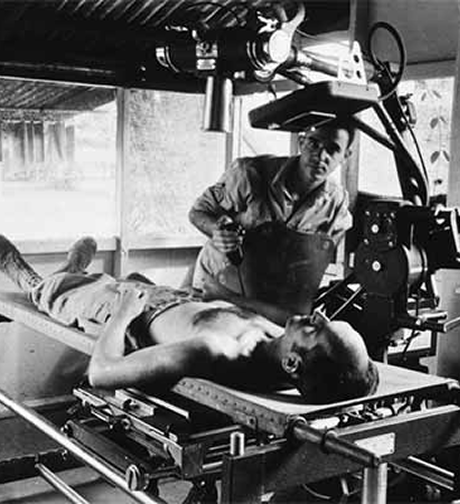
The concern over respiratory health in woodworking dates back more than two centuries — from early occupational cancer links to modern OSHA exposure limits.
18th century milestone
Milestone 01
18th Century
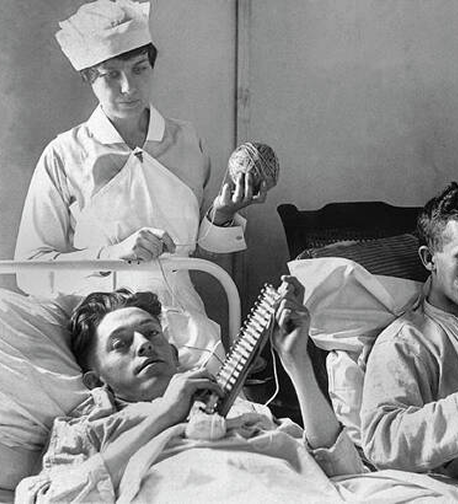
Percivall Pott identified a link between occupational exposure and cancer. His findings inspired later research into trades like woodworking, where fine dust was found to cause nasal and lung diseases.
Mid 20th century milestone
Milestone 02
Mid 20th Century
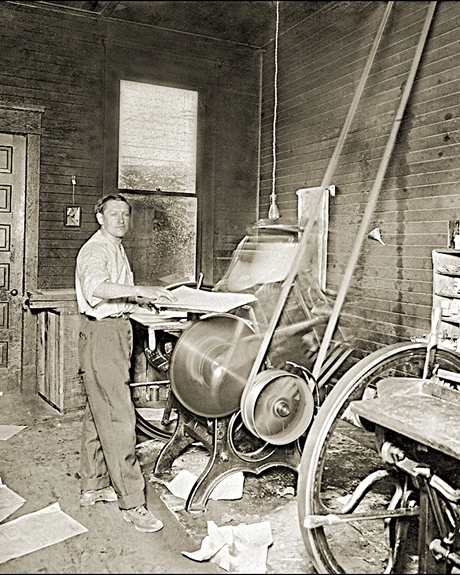
As industrial production and mechanization in woodworking grew, doctors began reporting chronic bronchitis, asthma, and cancer among carpenters and furniture makers.
Post World War II milestone
Milestone 03
Post–World War II
The introduction of synthetic glues and polyurethane brought new risks from chemical fumes and VOCs. These pollutants caused long-term respiratory illness.
Late 20th century milestone
Milestone 04
Late 20th Century
Occupational safety agencies like OSHA and NIOSH established exposure limits, leading to early air-sampling and filter-based testing.
3 insights of current woodworking employees
50%
Chance of asthma — workers exposed to dust are at a much higher risk of developing asthma compared to non-exposed workers.
35%
Of carpenters experienced respiratory problems (cough, wheezing, reduced lung function).
3.6M
Exposed workers — about 2% of the total workforce in the EU are estimated to be exposed to harmful levels of wood dust.
What's out there — and why it's not working

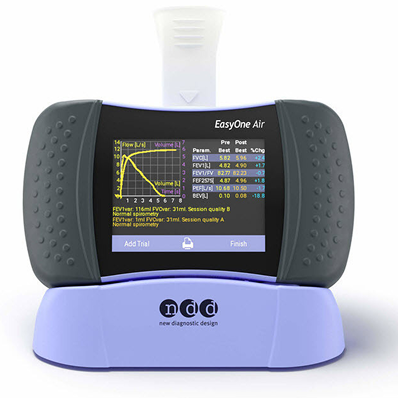
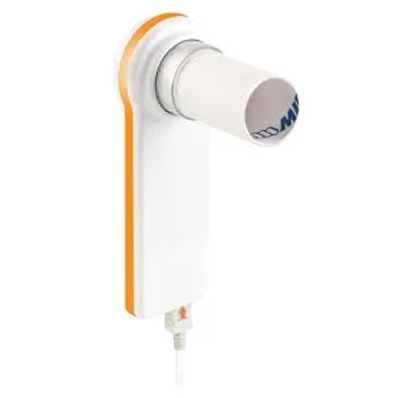
Existing monitoring devices are either prohibitively expensive, require medical knowledge to interpret, or simply weren't designed for the unique conditions of a woodshop.
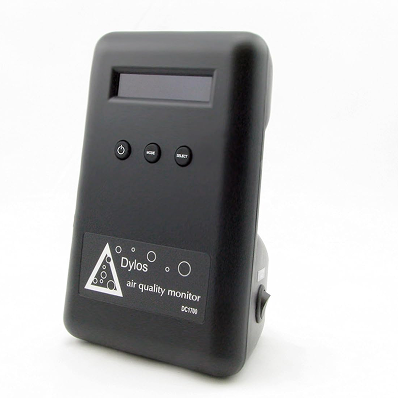
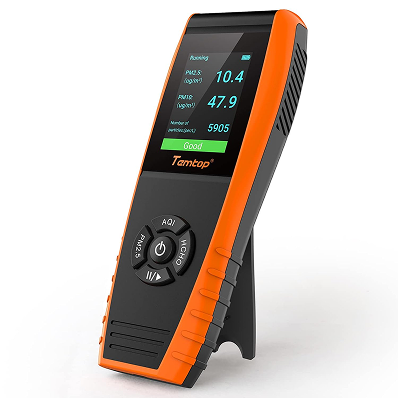
Dylos air quality monitor
Dylos
$465.00
Temptop air quality monitor
Temptop
$169.99
EasyOne Air spirometer
EasyOne Air
$2,615.07
Minispir spirometer
Minispir
$1,560.95
01
Expensive and non-durable
02
Requires users to understand medical terms
03
Feedback loop error & no data logging
04
Not designed for woodshop environment
What do primary users say about this?
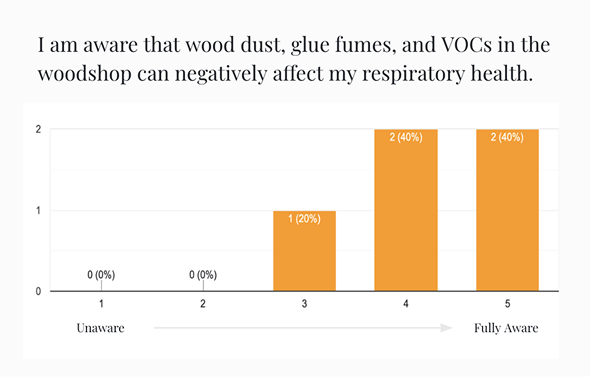
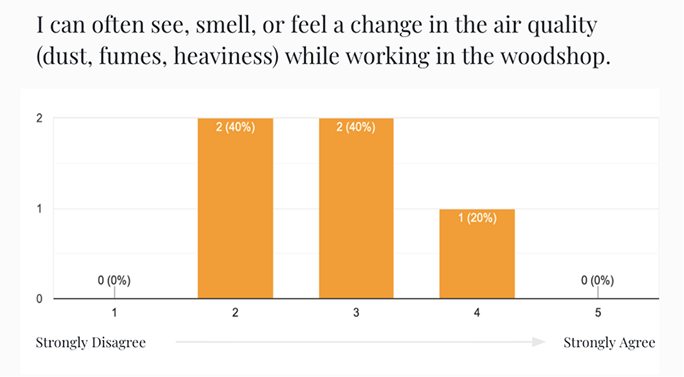
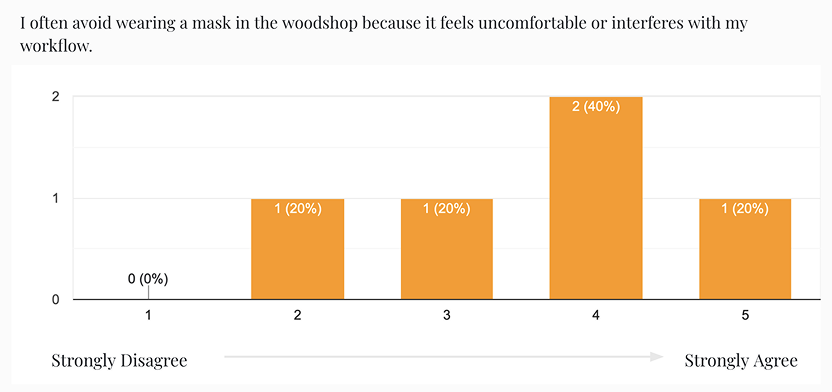
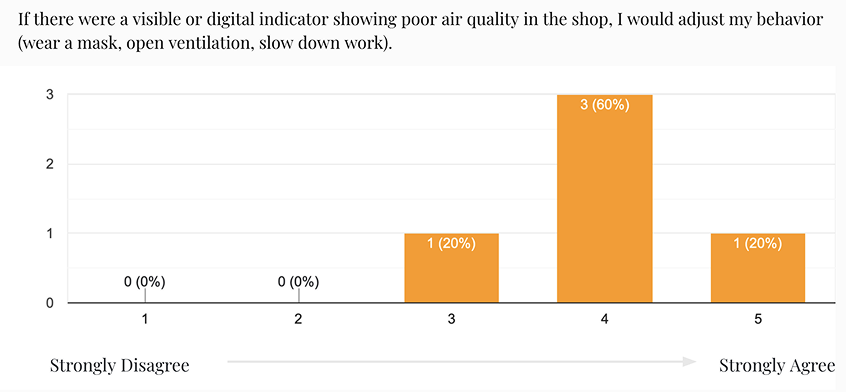
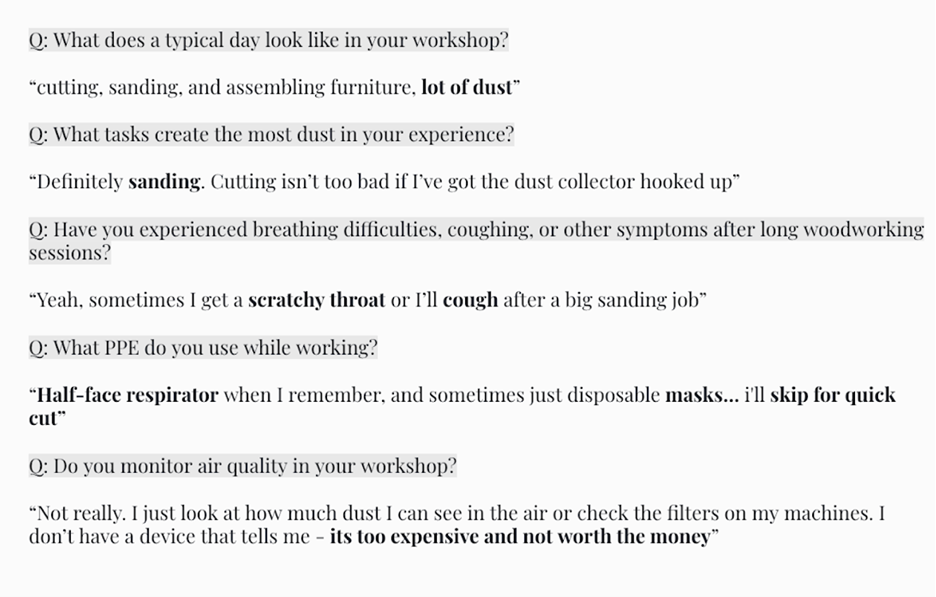
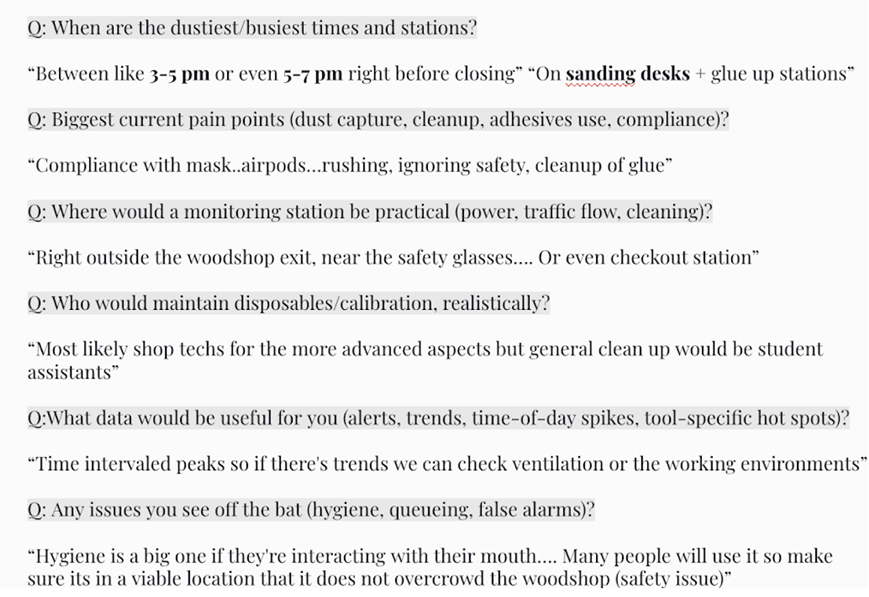
Survey results 1 Survey results 2 Survey results 3 Survey results 4
Three primary users
Tsunemasa Fujiwara
Student Assistant

Tsunemasa Fujiwara

Wood Shop Worker — Student Assistant

Sean Yan
Frequent User

Sean Yan

Frequent Wood Shop User — Student

Derek Brown
Professional

Derek Brown

Professional Wood Shop Worker — Self Employed
Interview session 1 Interview session 2
Three key insights from research
Insight 01
Visibility & Awareness Are Low
Users need visual, data-driven awareness tools that make invisible dust and fumes tangible and actionable in real time.
Insight 02
Safety Habits Are Compromised
Safety systems must be frictionless — integrated into existing workflows so comfort and convenience don't override protection.
Insight 03
Accessibility & Maintenance Limit
There's a need for affordable, low-maintenance monitoring systems that suit both educational and independent workshops.
What's really going wrong
Pain Point 01
PPE Noncompliance
Students often neglect masks due to discomfort, heat, or simply forgetting.
Pain Point 02
Invisible Risks
Fine particles and VOCs are hard to perceive in the moment; irritation builds up unnoticed.
Pain Point 03
No Feedback Loop
Students have no way to connect their exposure with short-term symptoms like coughing or long-term risks like asthma. Without data, faculty cannot alert poor ventilation.
How might we…
How Might We
How might we design a simple, real-time system that visualizes air quality and respiratory health in a way that's understandable and actionable for woodshop users?
User personas
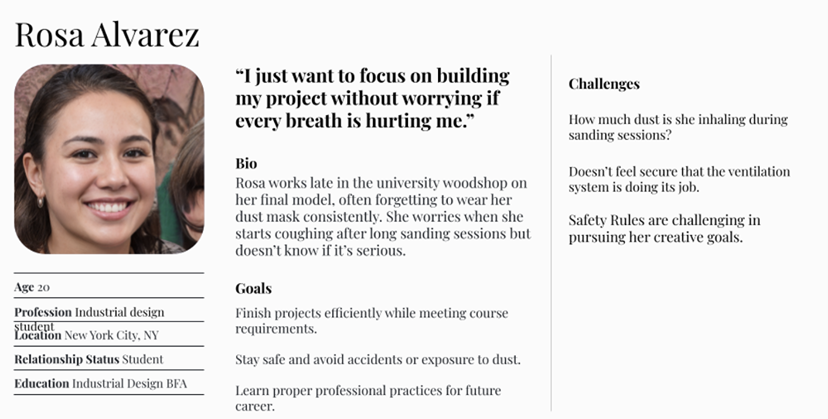
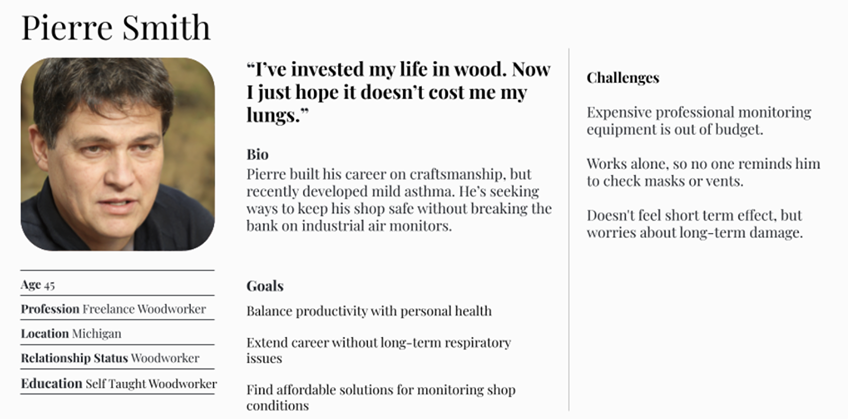
User persona 1 User persona 2 User persona 3
Say, Do, Think, Feel
User empathy map — Say, Do, Think, Feel
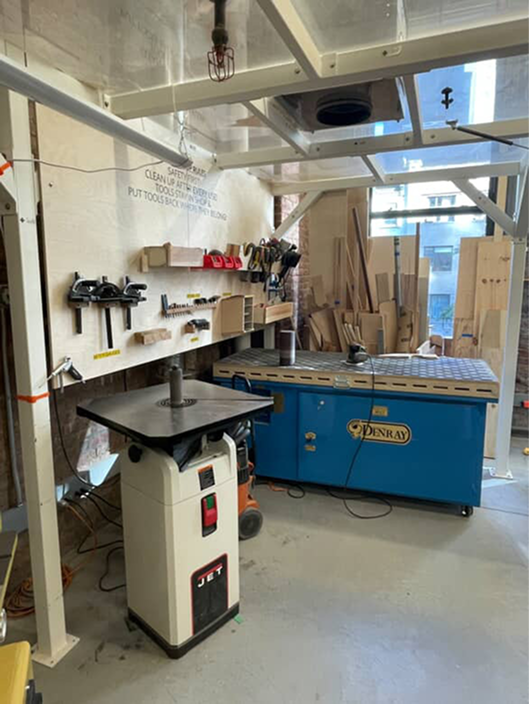
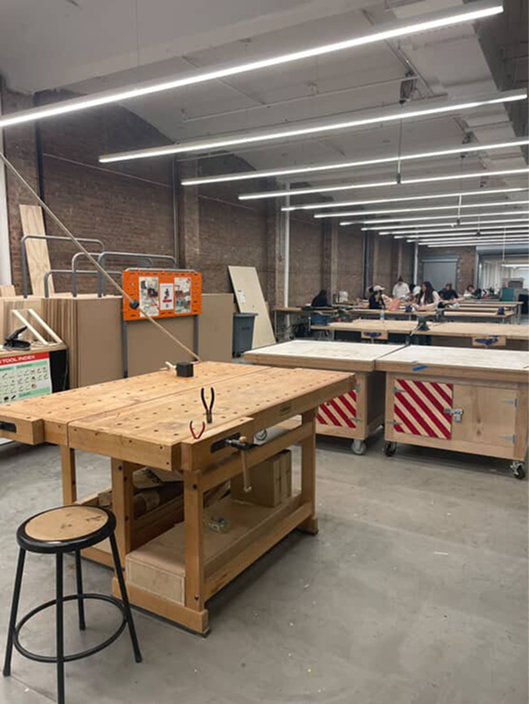
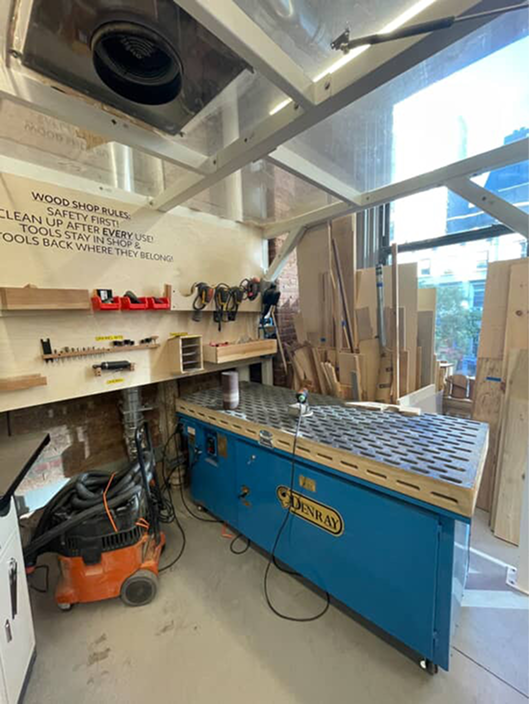
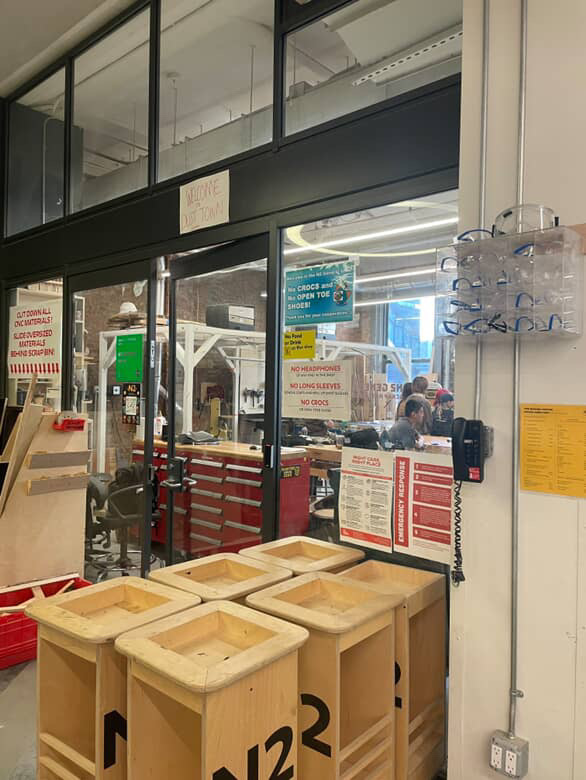
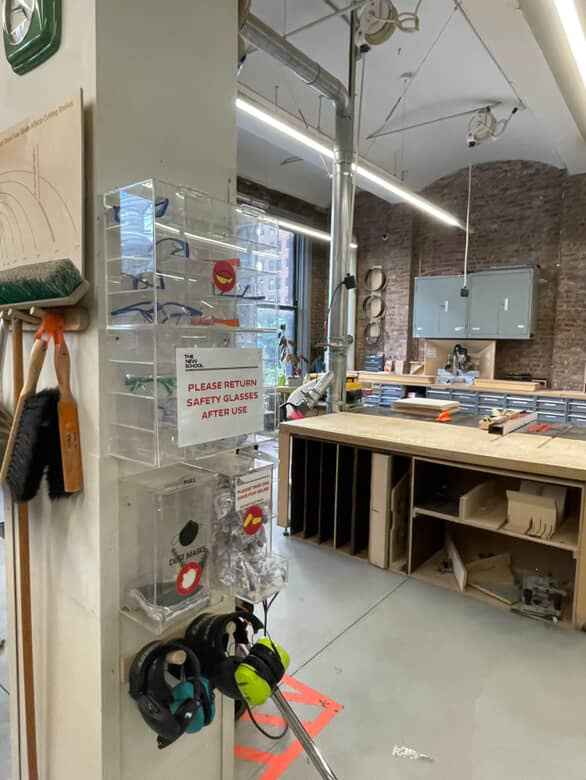
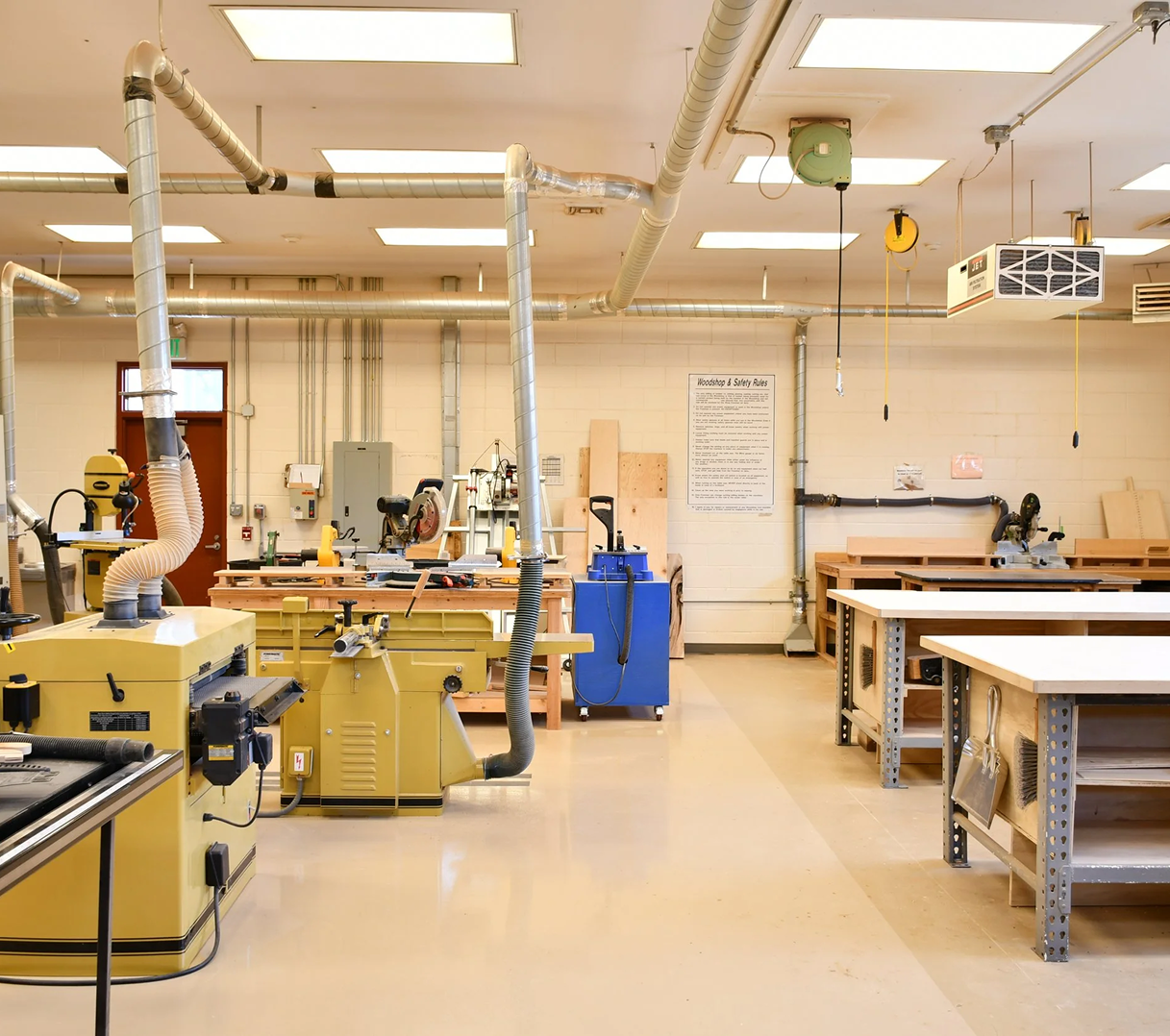
Understanding the woodshop
Woodshop environment 1 Woodshop environment 2
Woodshop environment 3 Woodshop environment 4 Woodshop environment 5
What we're building toward
Mission Statement
Create an accessible, real-time respiratory monitoring system that increases awareness of air quality in wood shops, empowering users to work safely without disrupting their creative process.
Must-have considerations
Real-time air quality monitoring (PM2.5 / PM10 and VOC levels)
Visual indicator or display showing air quality status clearly
Alerts (color change, buzzer, or notification) when air quality becomes unsafe
Compact and durable hardware suitable for dusty workshop environments
Basic data logging
Hygiene, repairs, reliability, durability
Privacy and cost-effectiveness
Material selection and user experience
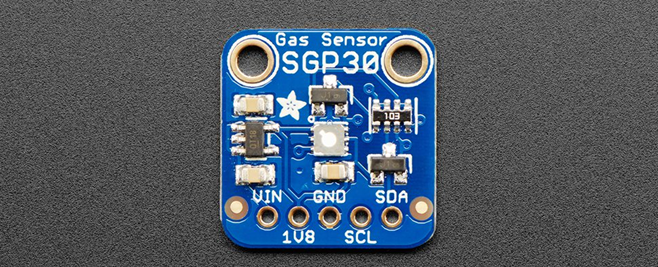
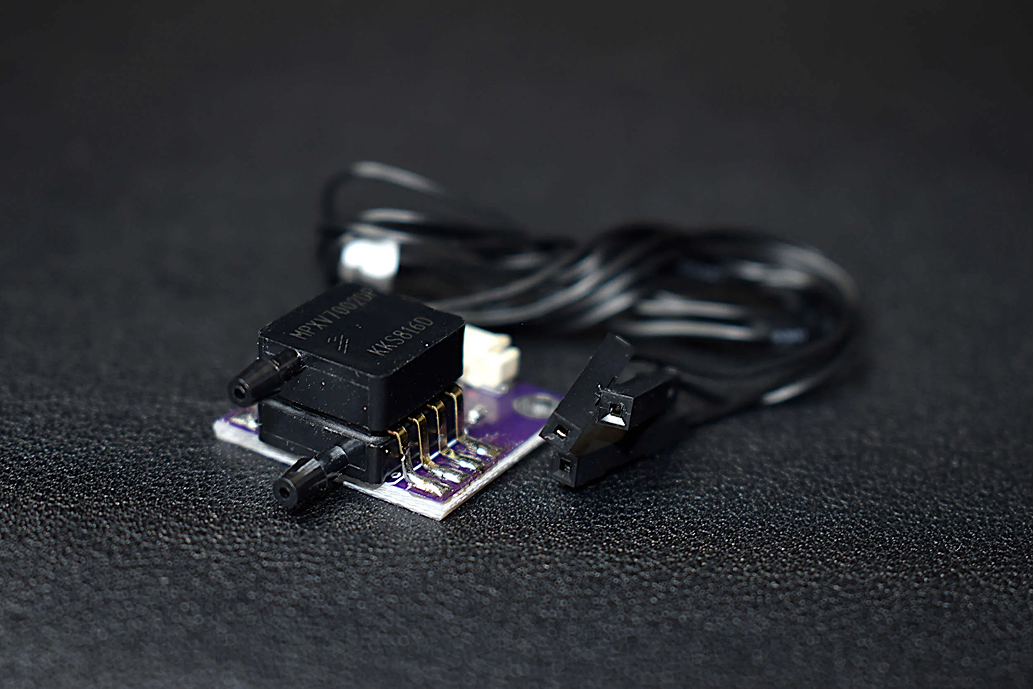
The sensor stack

Four sensors form the core of ShopMate — measuring particulate matter, VOCs, environmental conditions, and airflow pressure to give a complete picture of workshop air quality.
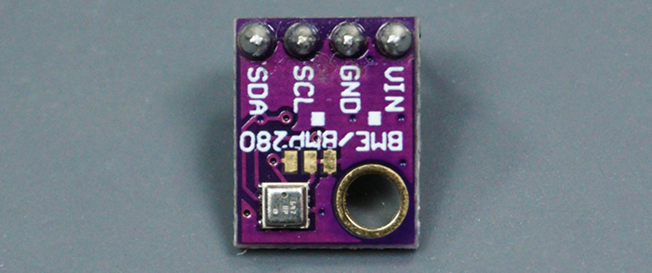
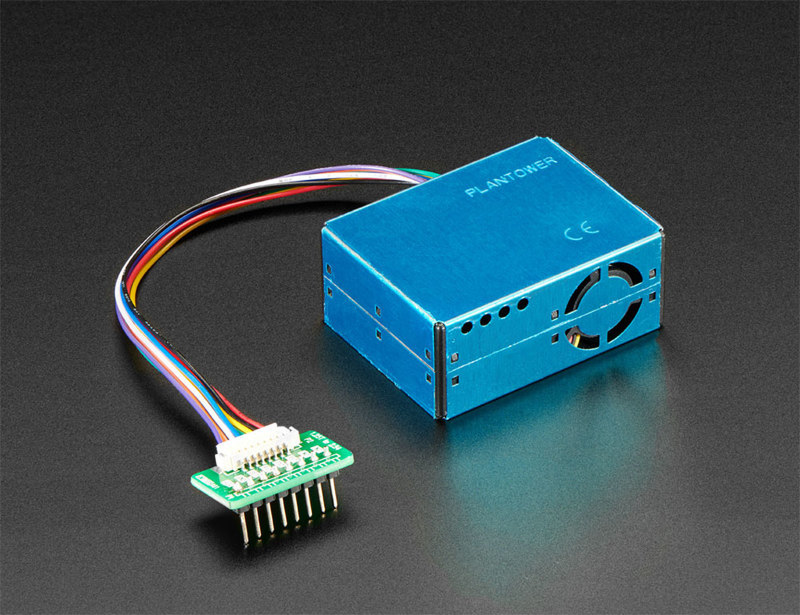
BME280 environmental sensor
BME280
Environmental Sensor
Measures ambient temperature, relative humidity, and barometric pressure
PMS5003 particulate matter sensor
PMS5003
Particulate Matter Sensor
Measures PM1.0, PM2.5, and PM10 — critical for detecting fine dust from cutting and sanding
SGP30 gas sensor
SGP30
Gas / Air Quality Sensor
Measures TVOCs and provides eCO₂ estimate — monitoring fumes and off-gassing
MPXV7002DP pressure sensor
MPXV7002DP
Differential Air Pressure
Measures air pressure difference between two ports — detects airflow or breathing pressure
How it works

A four-step process designed for zero friction — students finish their woodshop session, take a quick spirometry reading, and get instant visual feedback.

Step 1
Initiation
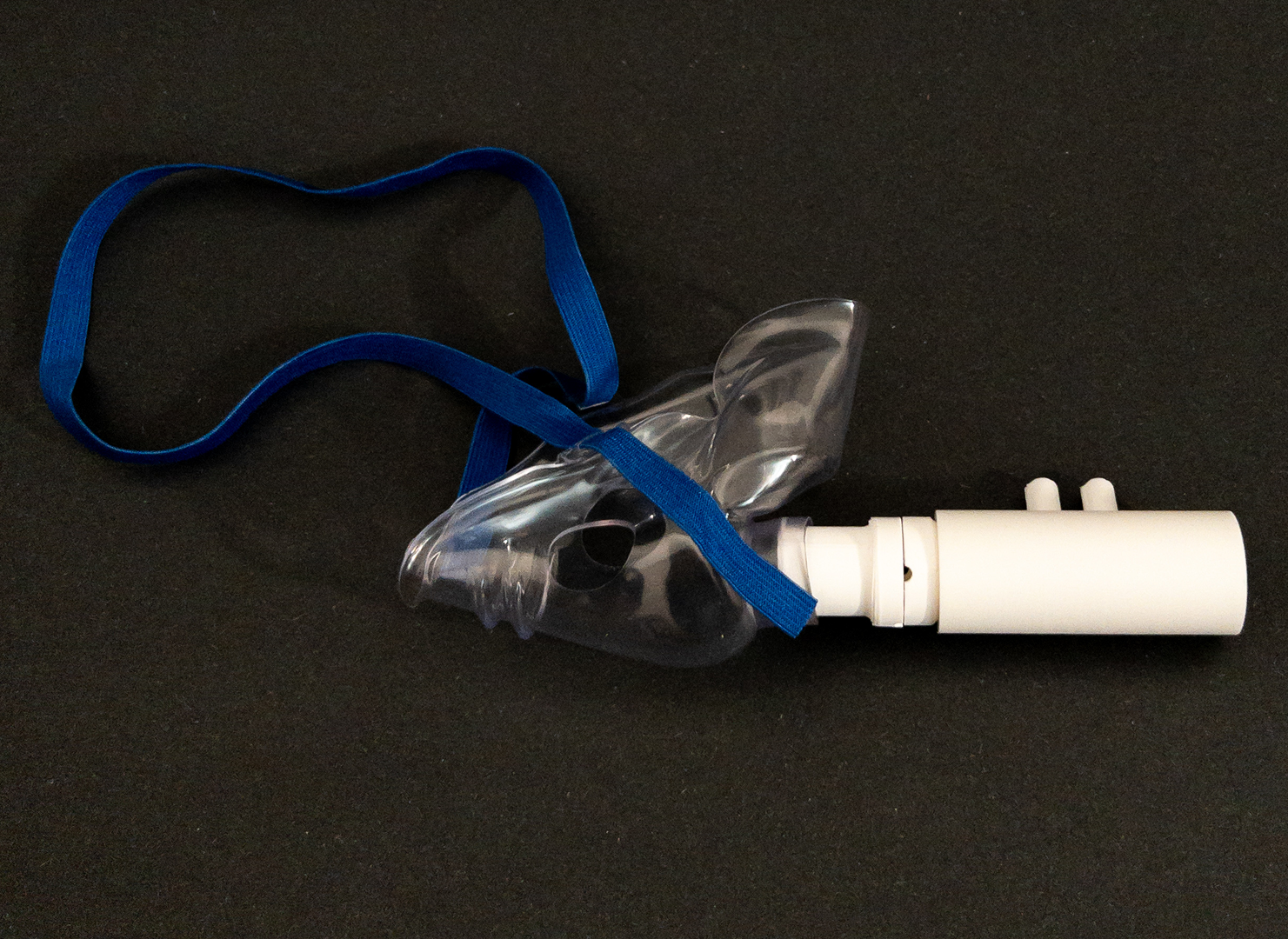
Student finishes woodshop, goes towards the kiosk/station. Takes a sealed, single-use mouthpiece from a dispenser near the station.
Step 2
Insert & Test
Student slots the mouthpiece into the spirometer port with a simple click-in mechanism. On-screen prompt says: "Take a deep breath, then blow steadily into the mouthpiece." Device measures lung capacity and airflow within 5–10 seconds.
Step 3
Results
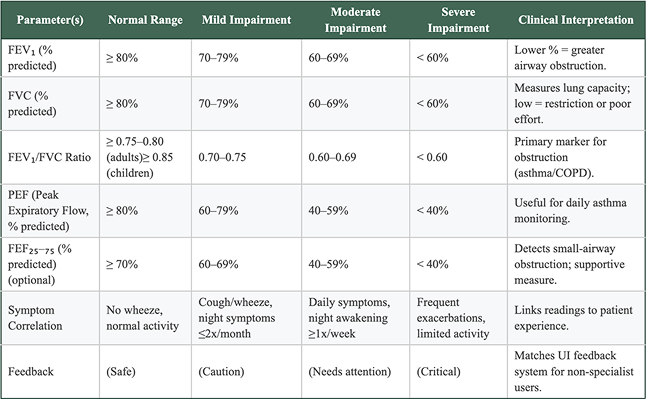
The screen displays results as either red, yellow, or green — Red for bad, Yellow for warning, Green for good. Simple, instant, no medical jargon.
Step 4
Disposal
Student removes the used mouthpiece and drops it into a clearly marked disposal bin. Device resets for the next user.
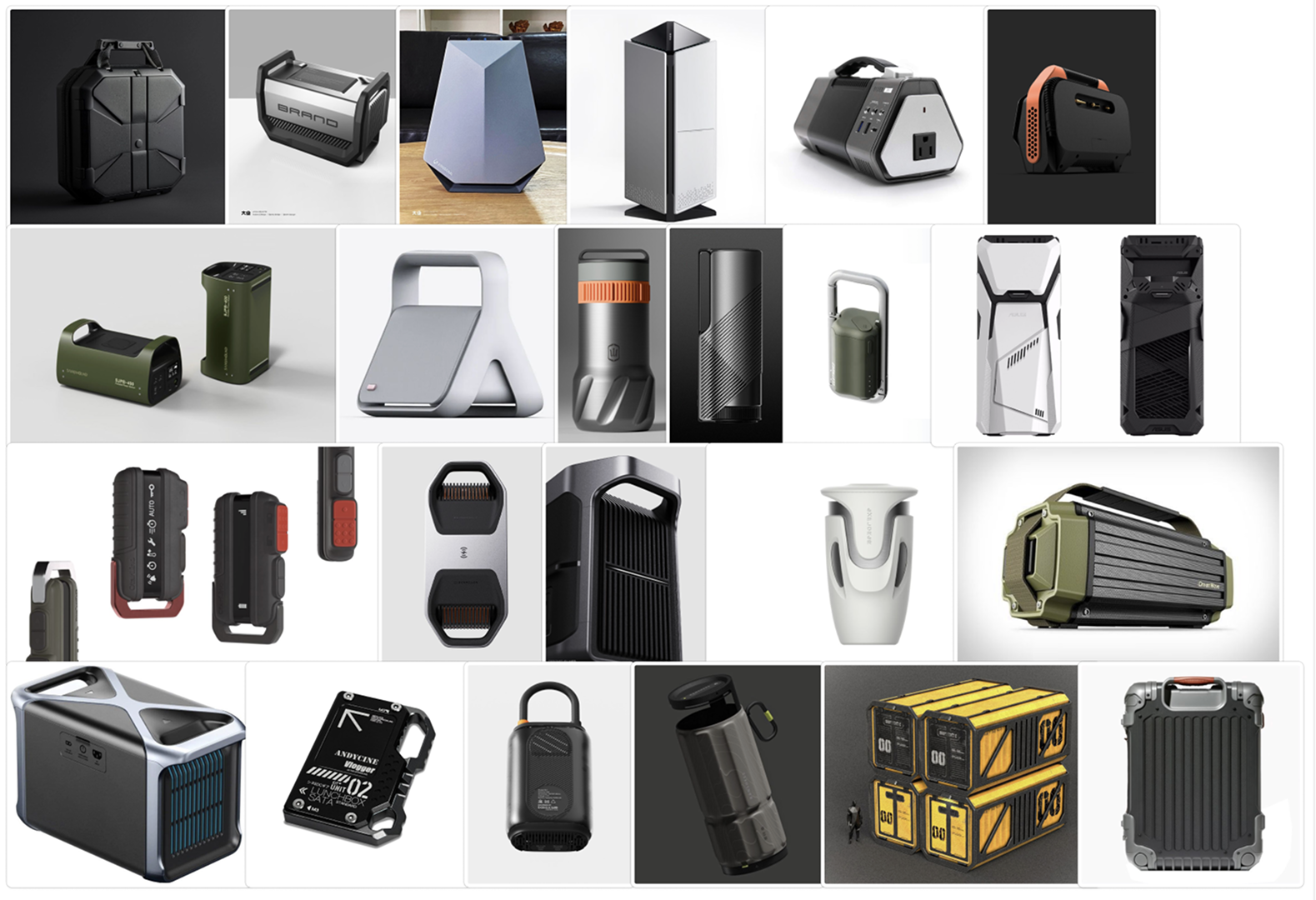
Moodboard
Design moodboard
Color palettes & chosen direction
Color Palettes Explored
Color palette exploration
Chosen Color Palette
Chosen color palette
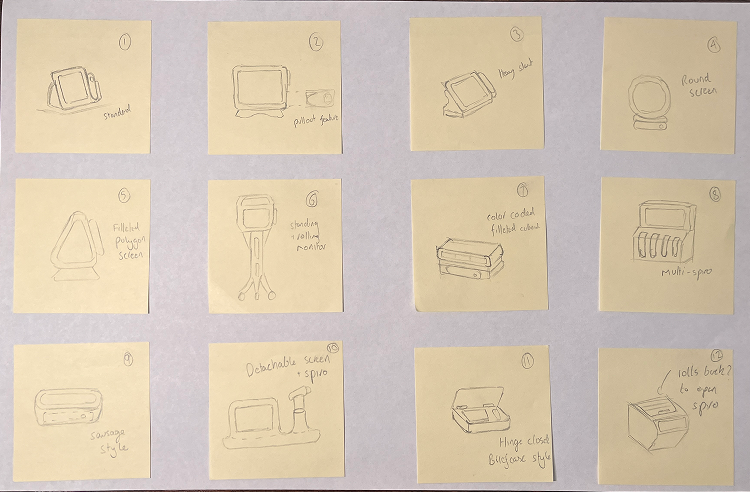
Thumbnail sketches
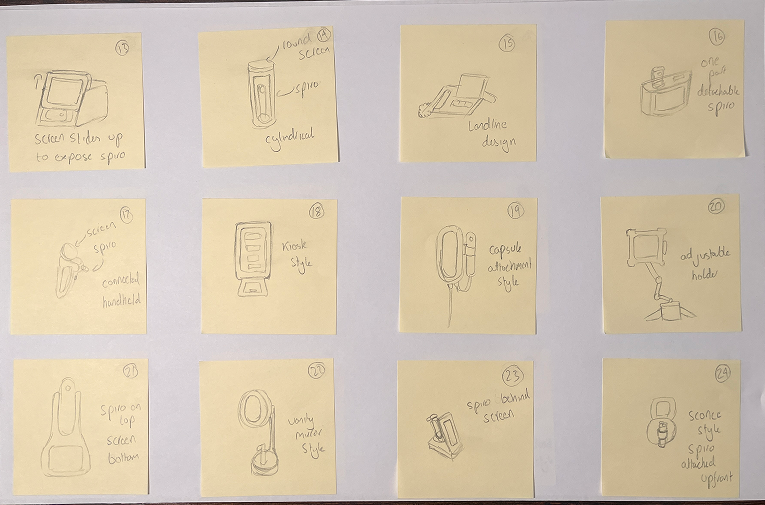
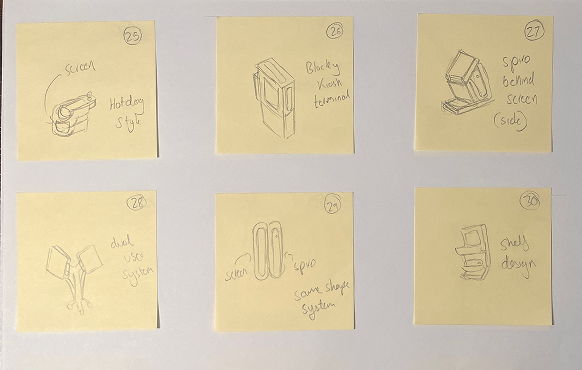
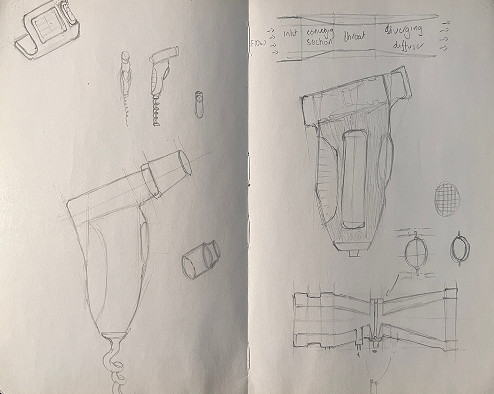
Thumbnail sketches 1 Thumbnail sketches 2 Thumbnail sketches 3 Thumbnail sketches 4
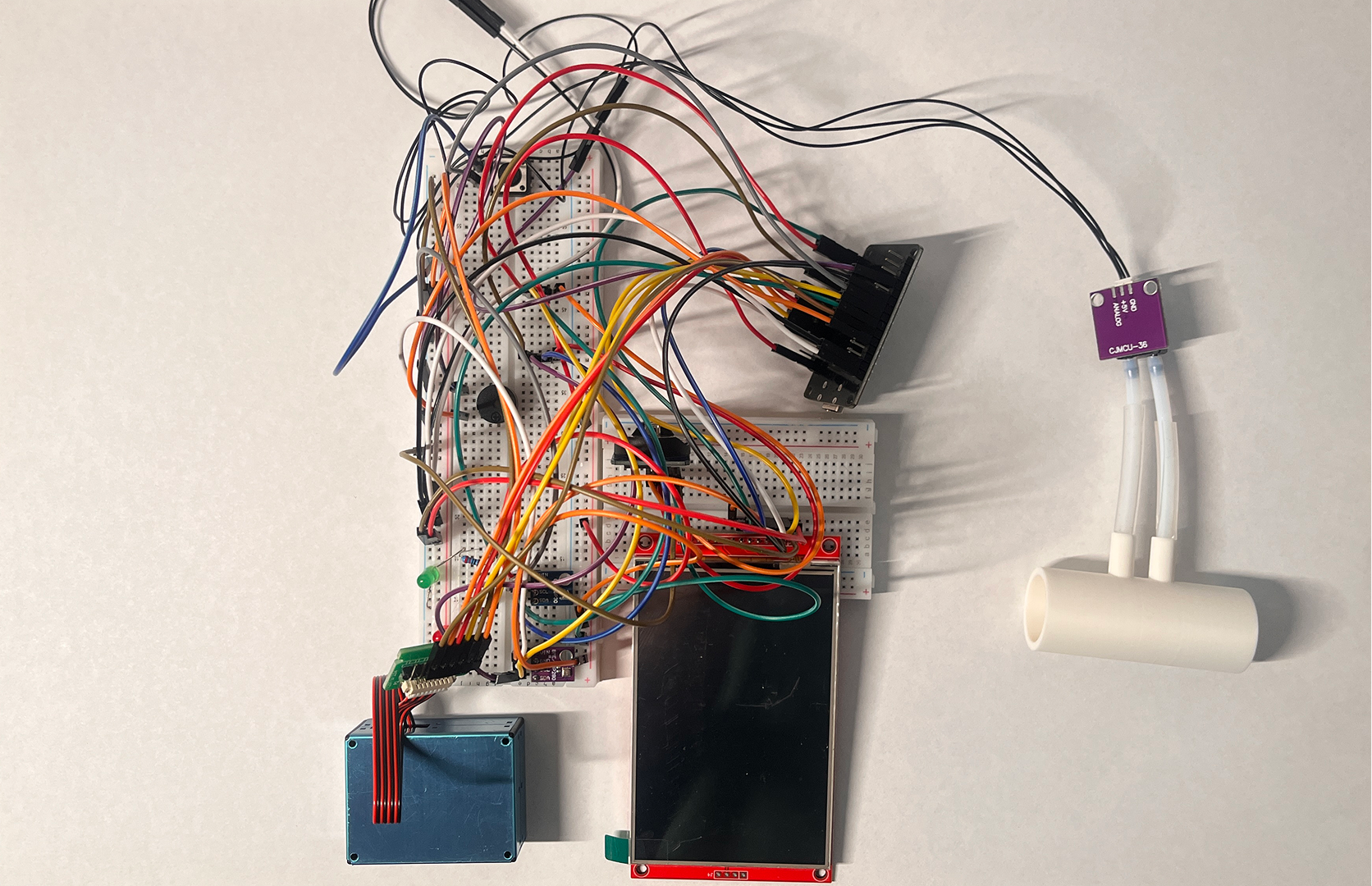
Initial circuit testing
Initial prototypes
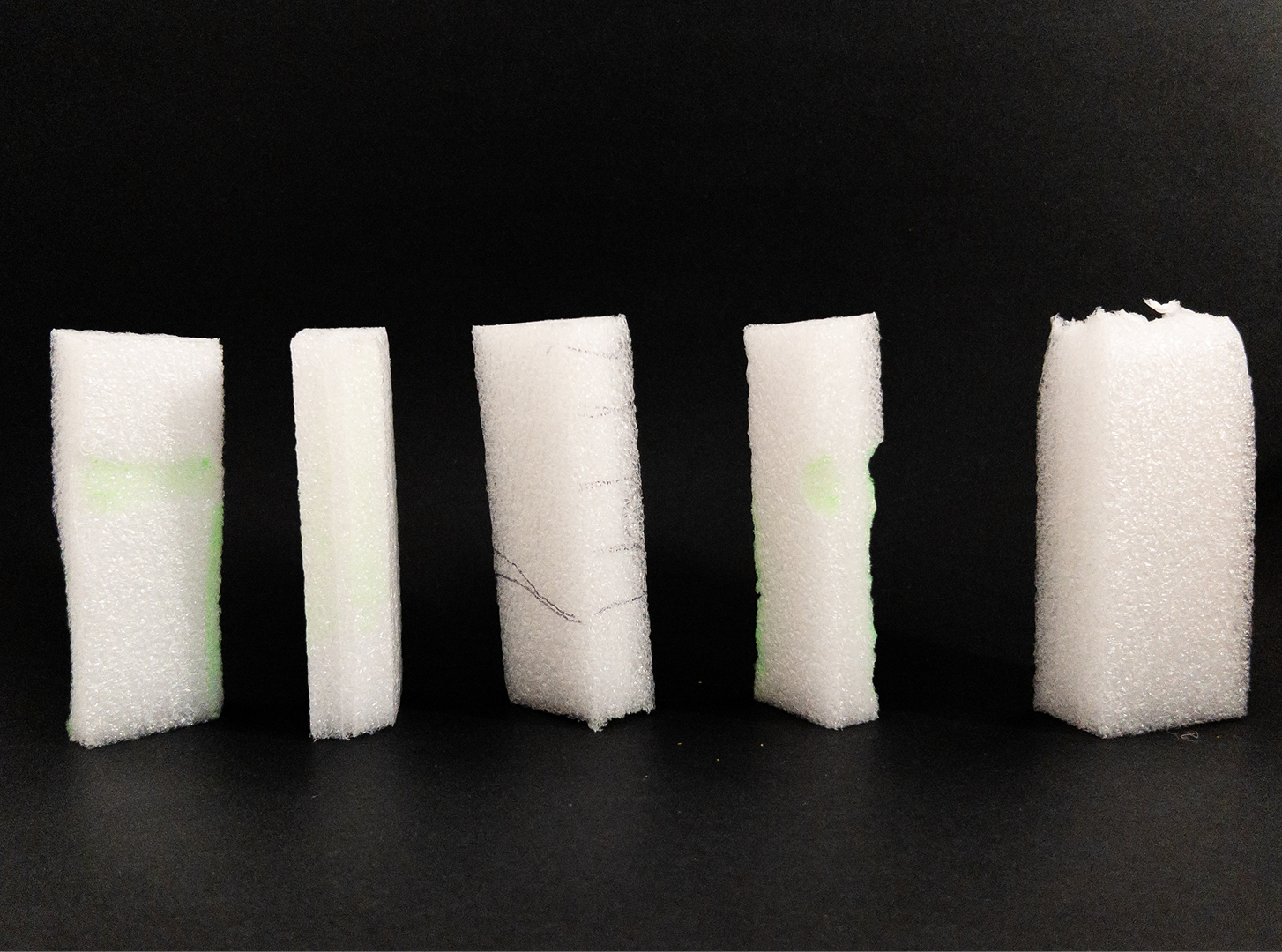
Foam Prototypes
Initial foam prototypes
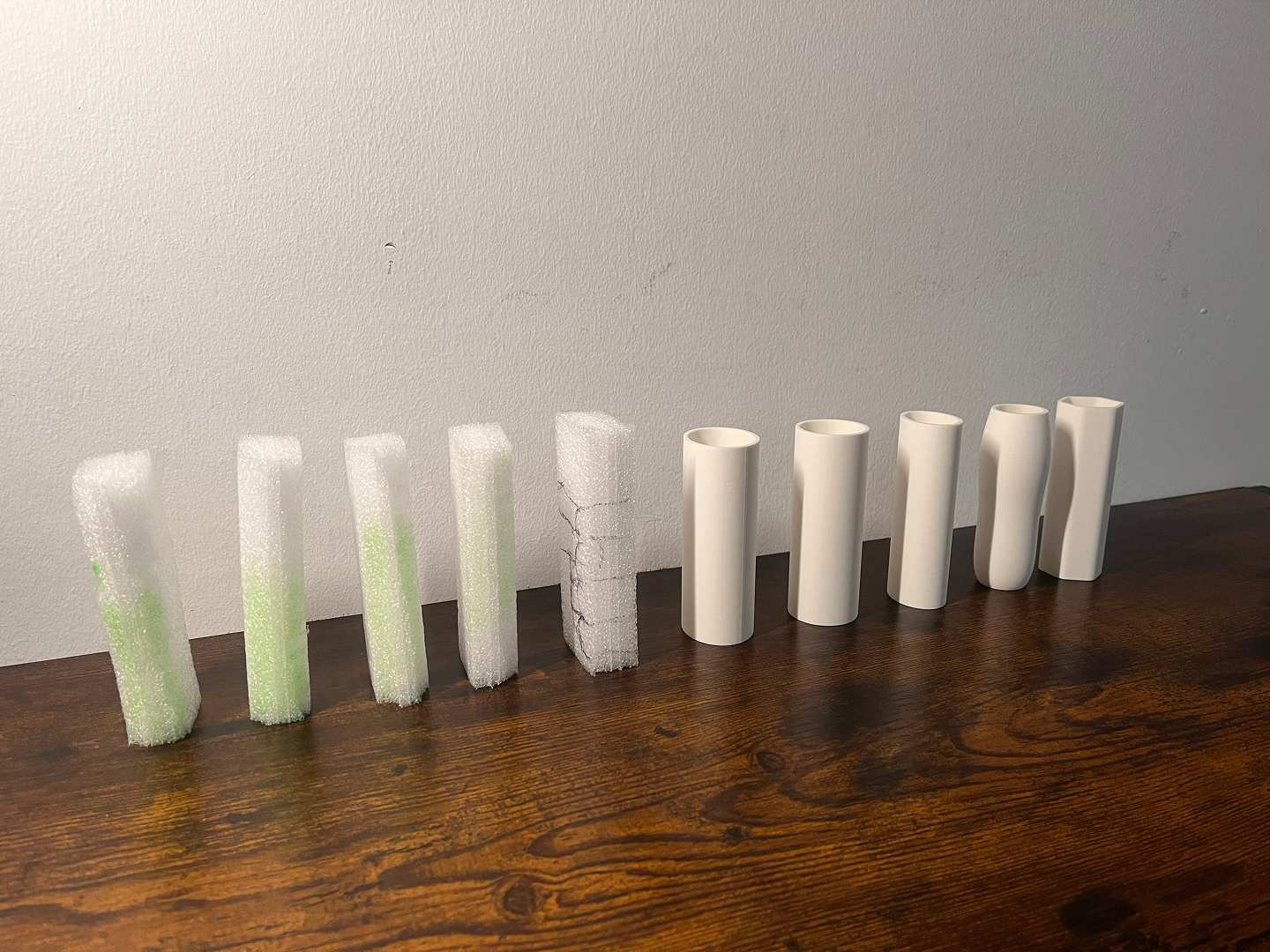
All Initial Prototypes
All initial prototypes overview
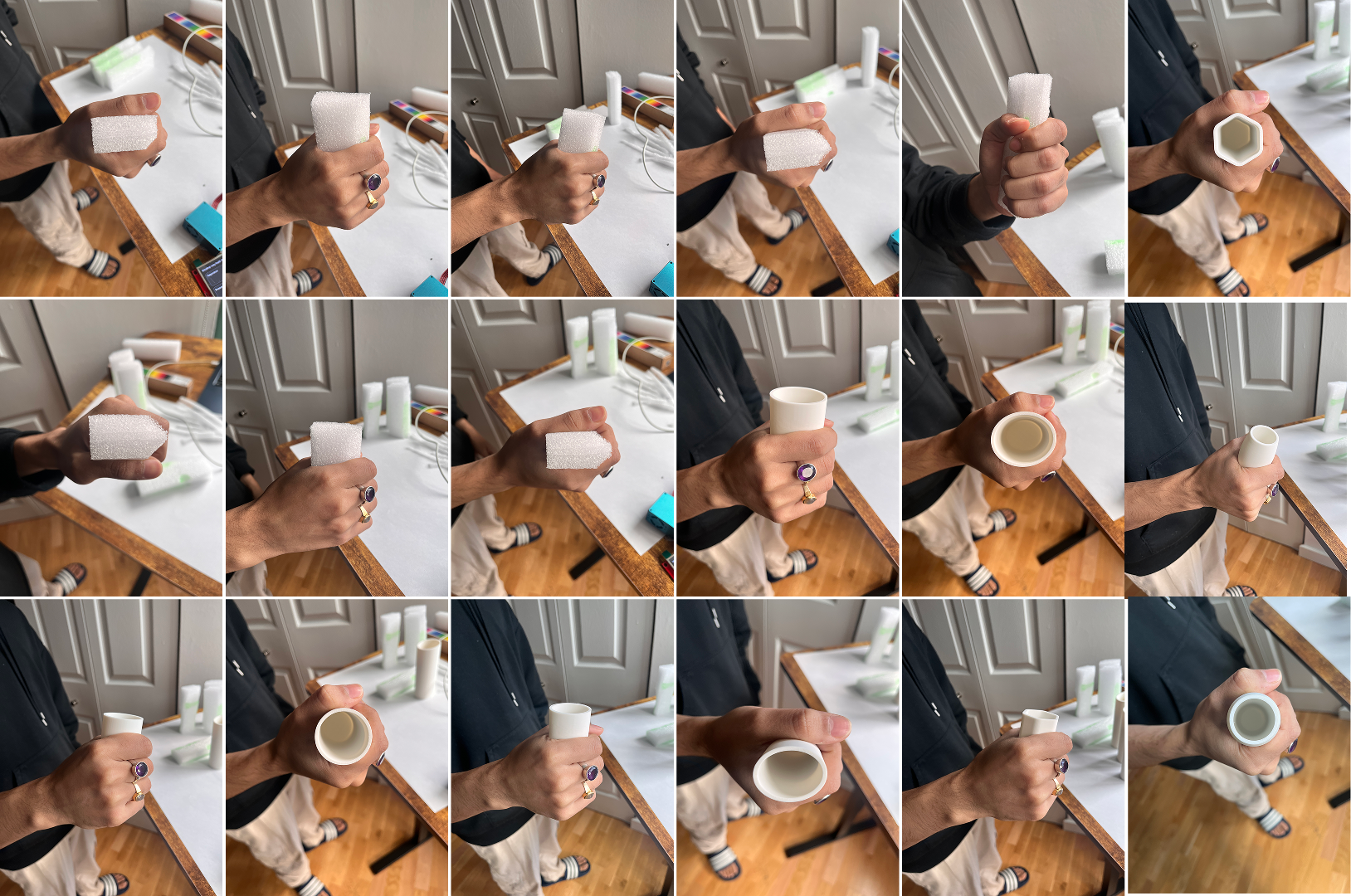
User testing
User testing session
Prototype development

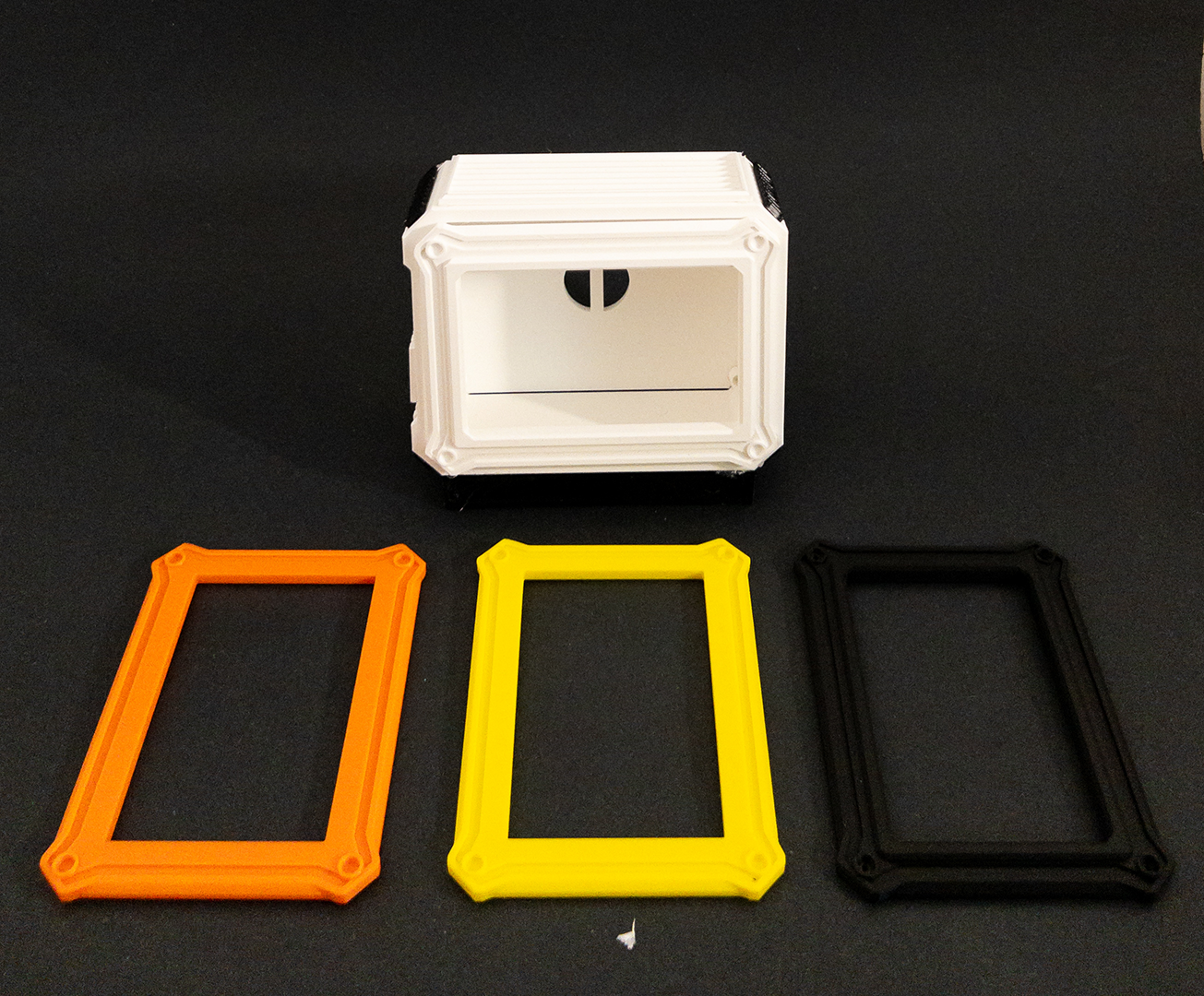
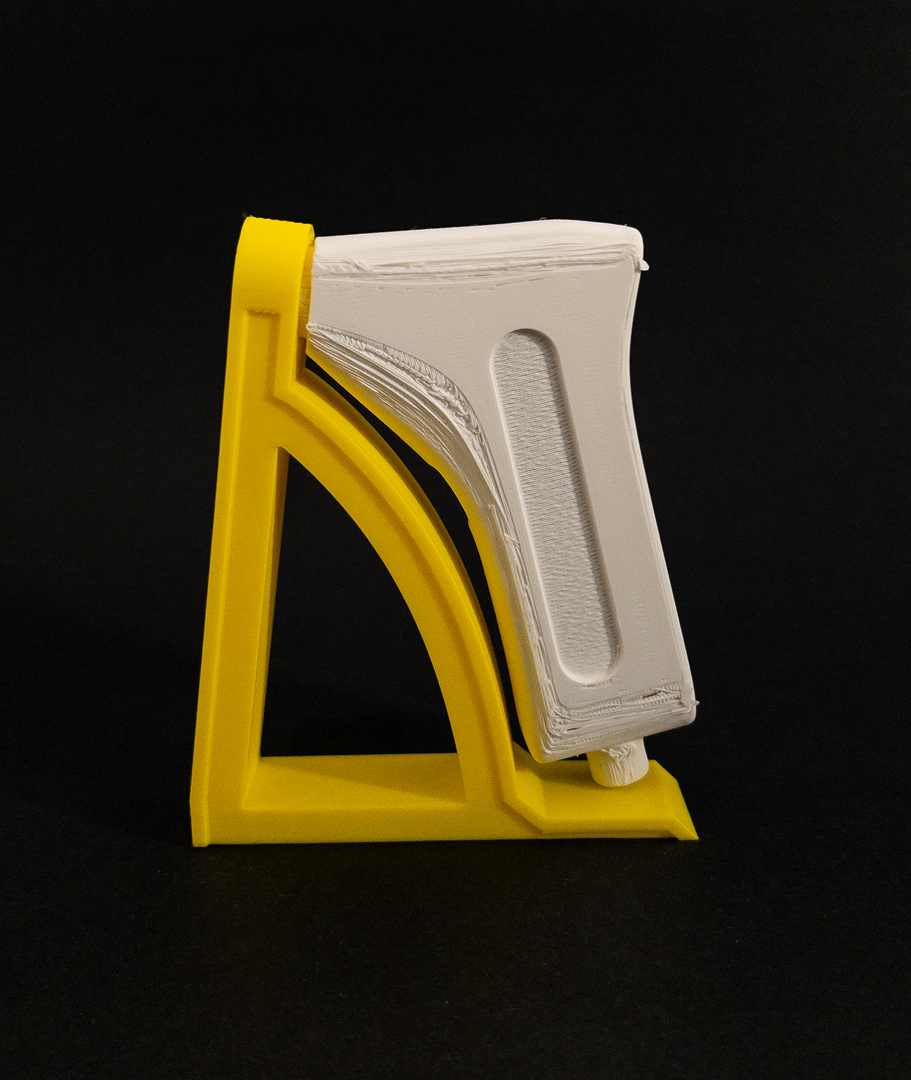
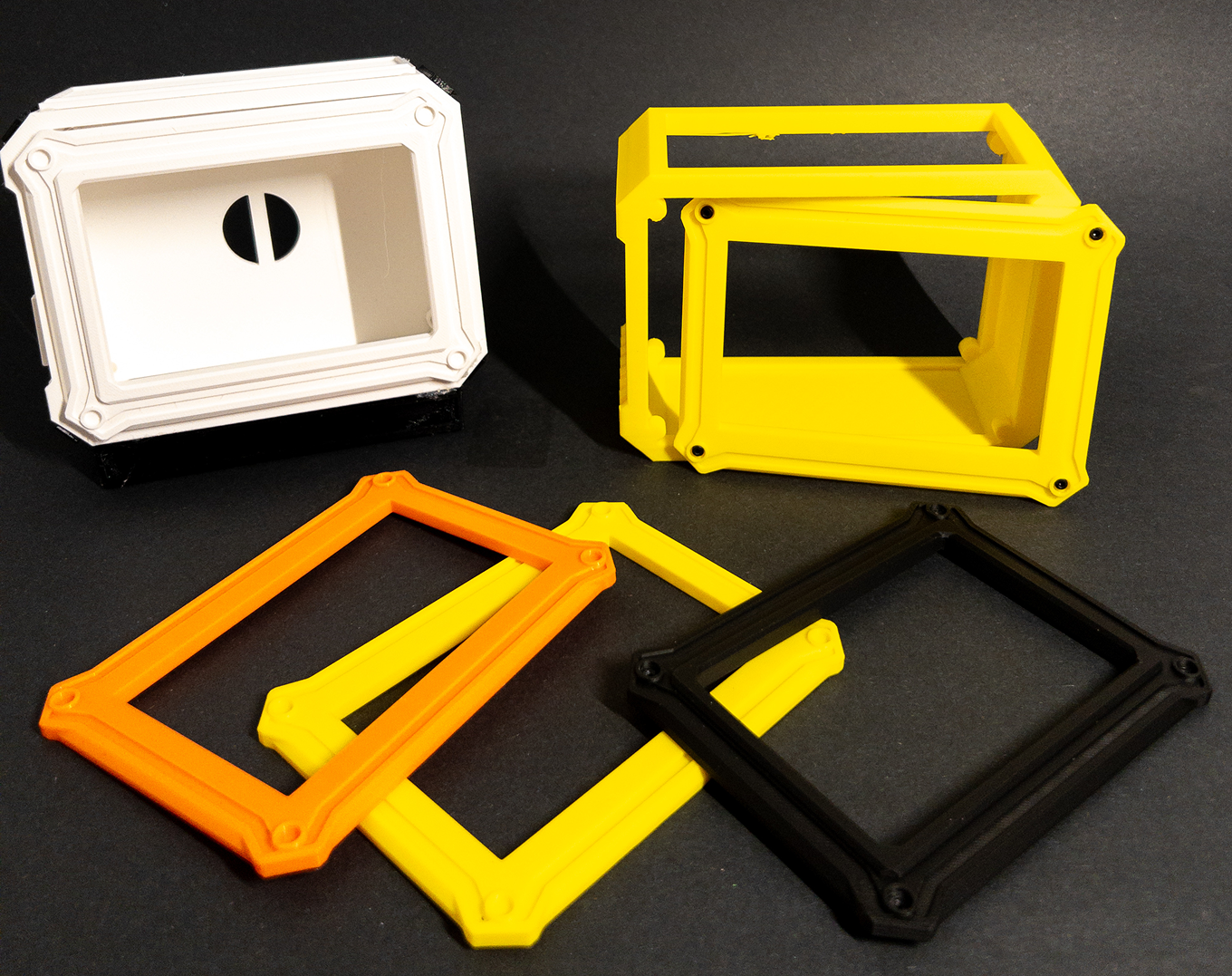
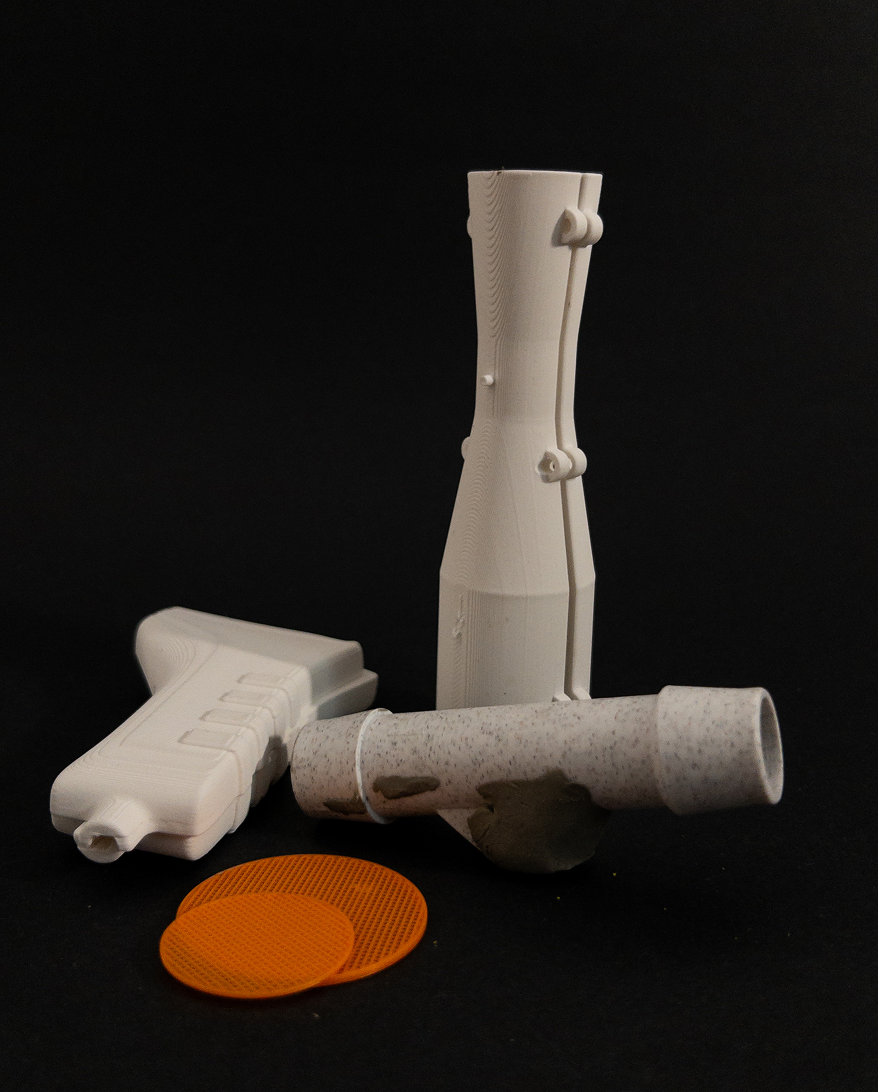
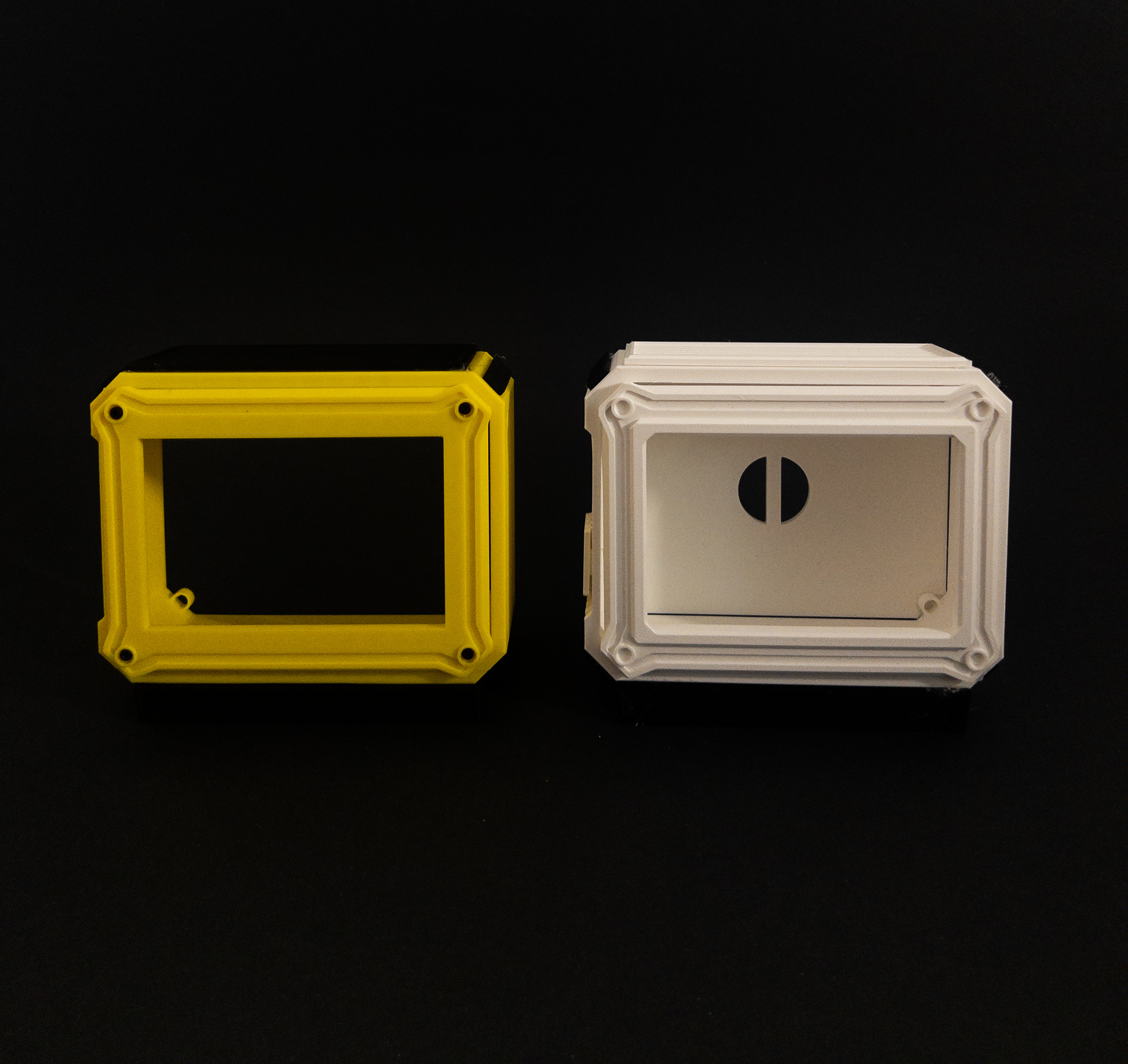
Iterative refinement across venturi tube design, mesh filters, spirometer inserts, bezel development, dock form, and vent prototyping — each component tested and evolved independently before integration.
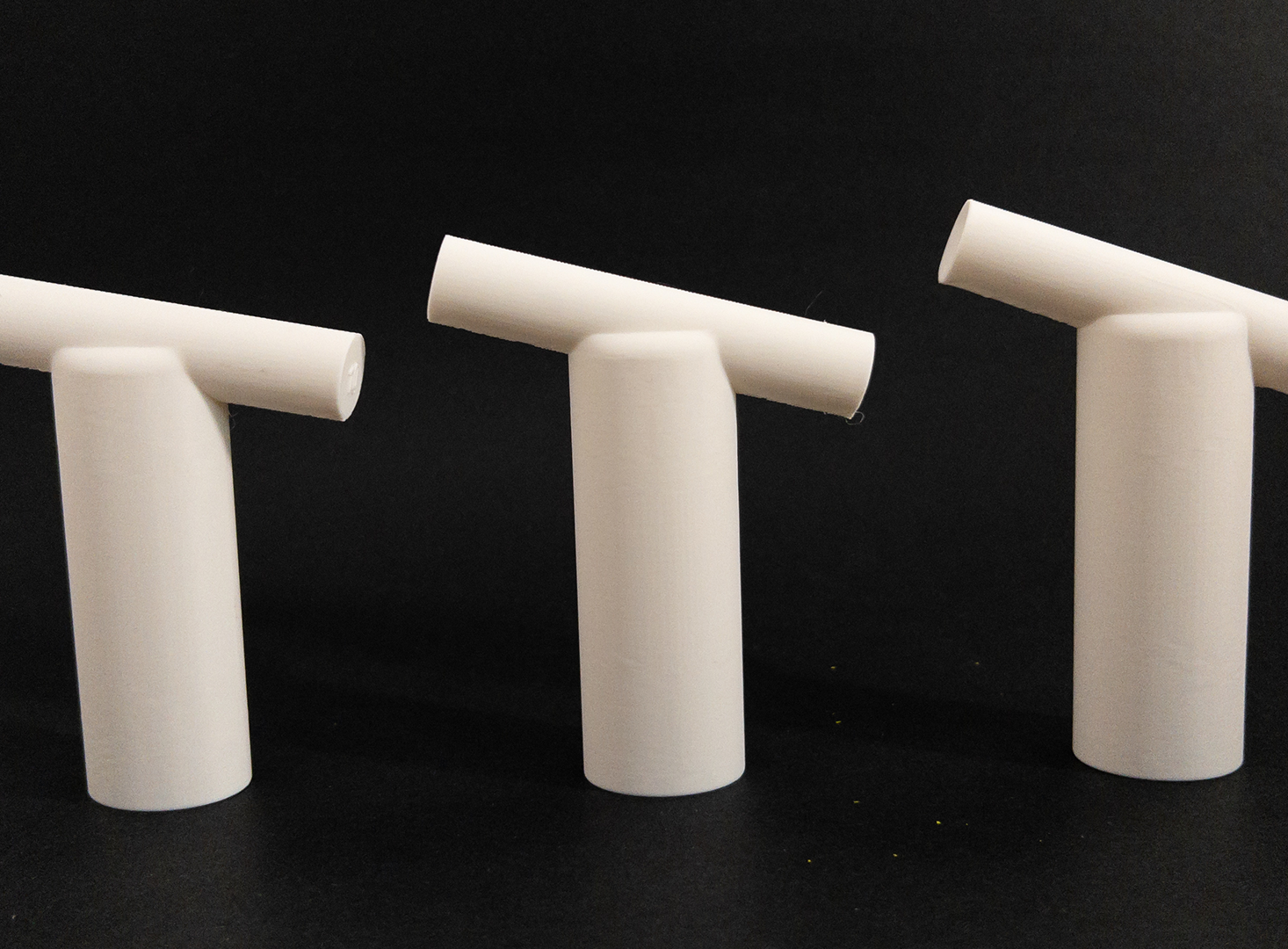
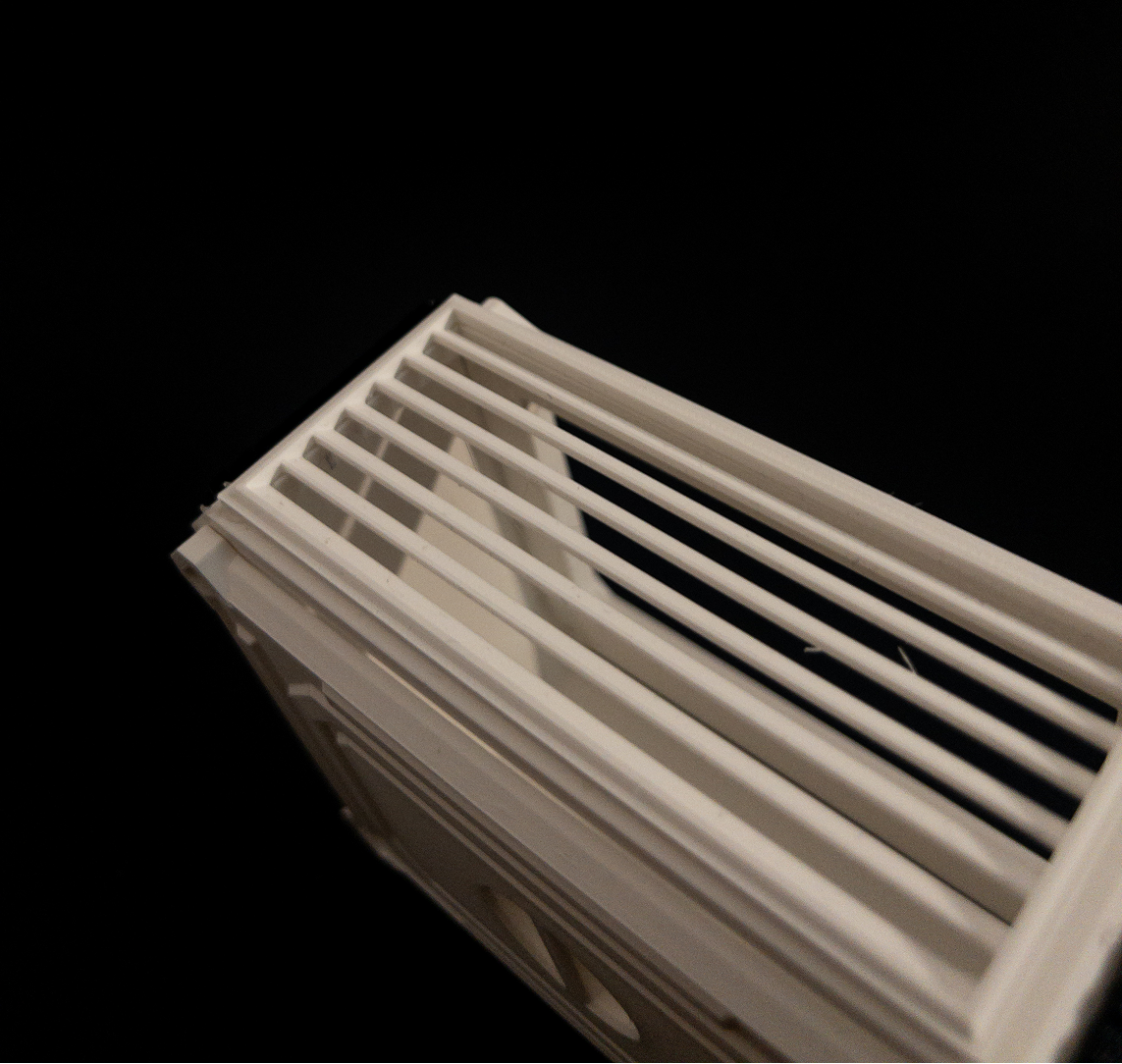
Angle Testing
Angle testing
Vent Prototype
Vent prototype
Spirometer Development
Spirometer development
Spirometry Sheet
Spirometry reference sheet
Bezel Development
Bezel development
Dock Development
Dock development
Form Development
Form development
Prototype Development
Prototype development
TPU Cover & Protection Bumps
TPU cover and protection bumps
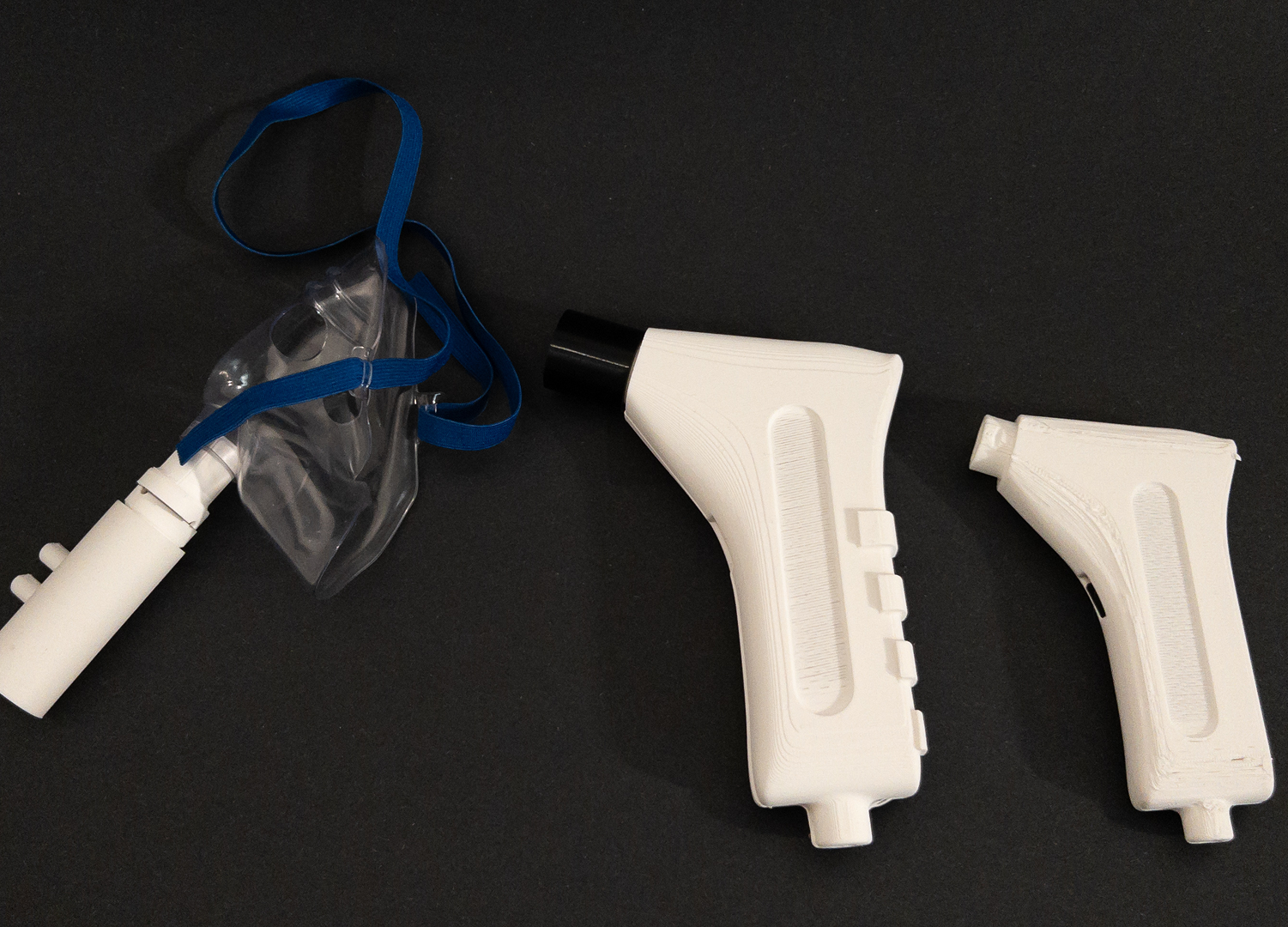
Full prototypes
Full integrated prototypes
Up close
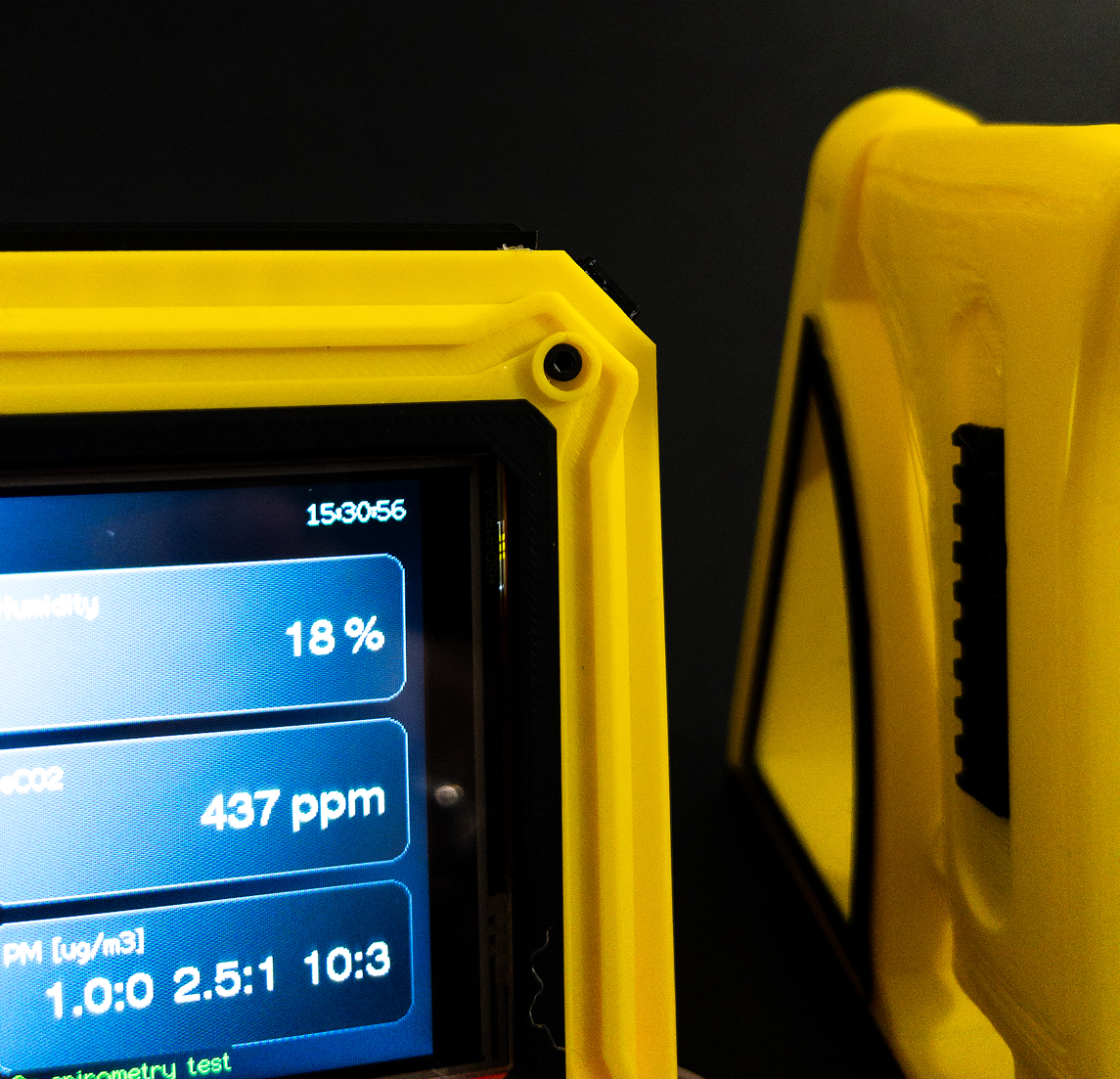
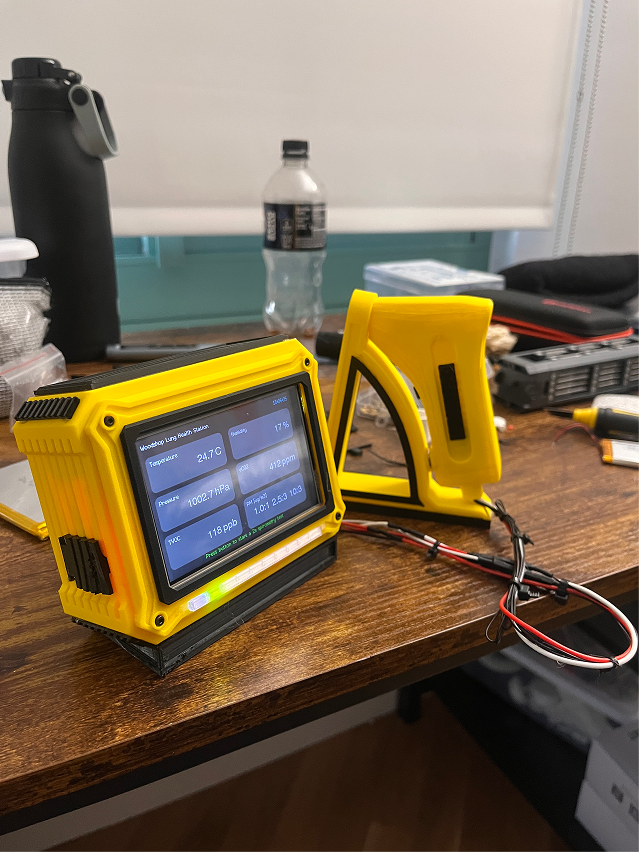
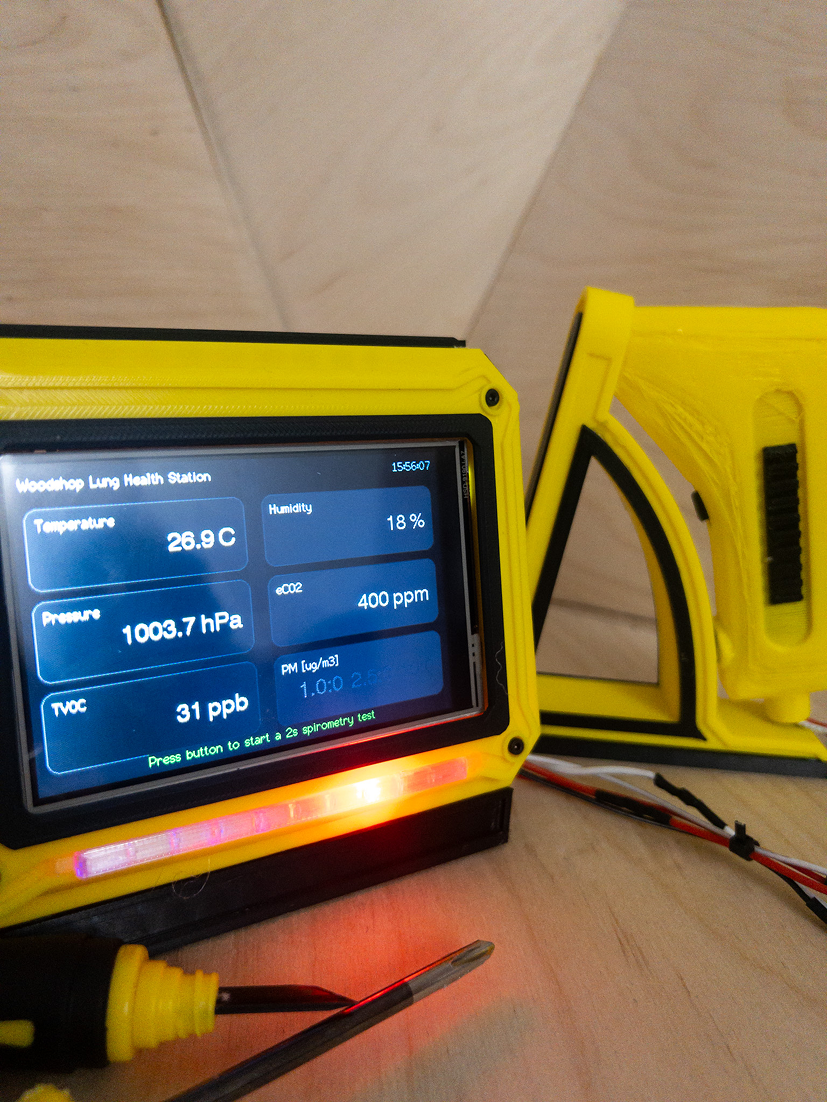
ShopMate detail shot
In context
Woodshop environment context Environment shot
Being used
In use shot 1 In use shot 2
ShopMate
Full shot 1 Full shot 2 Sample shot Mask shot